What to Expect From a Collision Estimate
A collision estimate is more than a price for fixing a dent or replacing a damaged bumper. It is the first working plan for restoring your vehicle’s safety, appearance, and function after an accident. Knowing what to expect from a collision estimate can make a stressful situation easier to manage, especially when insurance, transportation, and repair decisions are all competing for your attention.
A careful estimate should give you a clear view of visible damage, likely repair procedures, parts needs, and the approval process. It may not answer every question on the first day, however. Some collision damage is only revealed after the vehicle is disassembled, which is why a professional estimate is both a starting point and an essential part of the repair process.
Your Estimate Begins With a Vehicle Inspection
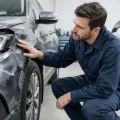
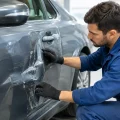
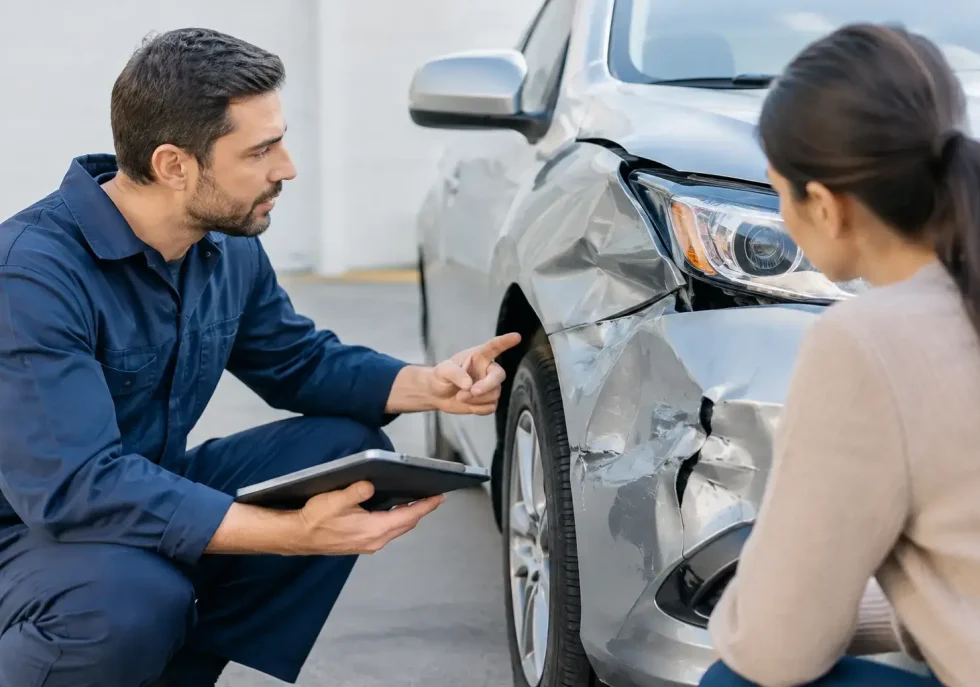
The estimator will begin by reviewing the areas affected by the impact. This may include exterior panels, bumpers, lights, glass, wheels, doors, the trunk or liftgate, and visible paint damage. They will also look for signs that the impact reached structural components, suspension parts, safety systems, or mounting points behind the damaged panels.
You may be asked how the accident happened, where the vehicle was struck, whether airbags deployed, and whether you have noticed warning lights, steering changes, unusual noises, or trouble opening a door. These details help the repair team look beyond the most obvious damage.
Photos are typically taken to document the condition of the vehicle and support the insurance claim. The estimator may also record the vehicle identification number, mileage, trim level, options, and existing unrelated damage. This documentation helps prevent confusion later and ensures the correct replacement parts and procedures are considered.
What a Collision Estimate Usually Includes
A written collision estimate generally breaks the proposed repair into labor, parts, materials, and related operations. It may identify whether a panel can be repaired or should be replaced, along with the labor needed for body work, frame measuring or straightening, paint preparation, refinishing, and reassembly.
For example, a damaged bumper may appear to need only cosmetic repair. Once inspected closely, the estimate might also include bumper absorbers, brackets, sensors, clips, grille components, headlamp mounting tabs, or calibrations for advanced driver-assistance systems. Modern vehicles often have more technology behind exterior panels than drivers realize.
The estimate may also show parts classifications, such as original equipment manufacturer parts, recycled parts, or aftermarket parts. The right option depends on your vehicle, your insurer’s guidelines, the availability of parts, and the repair requirements. Asking about parts is reasonable, particularly for newer vehicles or repairs involving safety-related components, fit and finish, or manufacturer repair procedures.
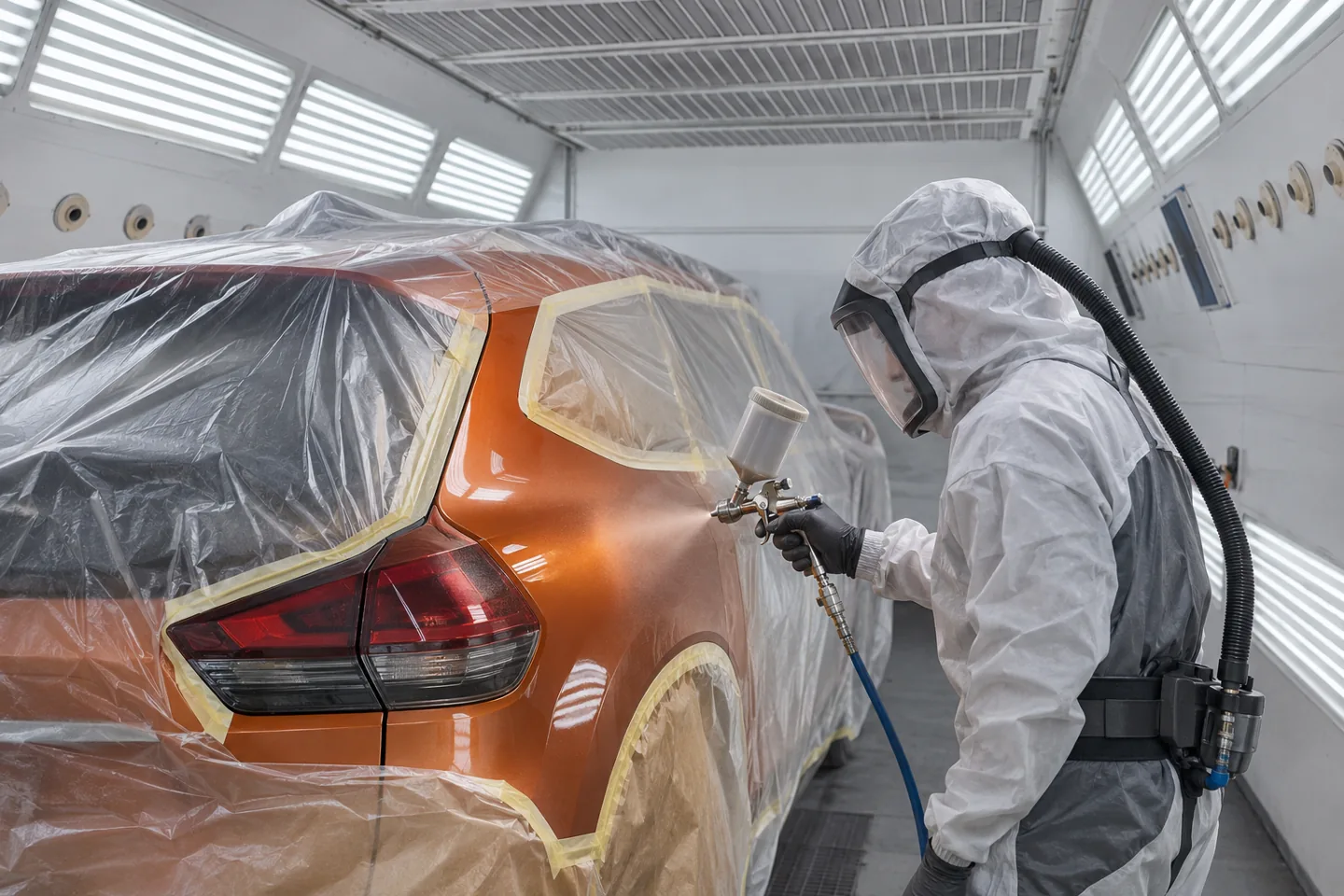
Paint and refinishing items can look technical, but they matter. A proper refinishing plan accounts for surface preparation, color matching, blending adjacent panels when needed, clear coat application, and materials. Color blending is often necessary to create a natural match because paint can vary with age, sun exposure, and factory production differences.
Why the First Estimate May Change
One of the most common concerns after receiving an estimate is whether the amount is final. The honest answer is that it depends on what can be seen before repairs begin. A vehicle’s outer panel can hide damage to reinforcements, brackets, wiring, sensors, structural components, or mechanical systems.
Once the repair team removes damaged parts, they may find additional damage that was not visible during the initial inspection. When that happens, the shop prepares a supplement – a documented request for additional repair operations or parts. The insurer then reviews the supplement according to the claim process.
A supplement does not automatically mean that something was missed or that the repair is being mishandled. It is often a normal part of complete collision repair. The important thing is communication. You should be told what was found, why it affects the repair, and whether it changes the expected completion date.
Insurance Review and Your Role in the Process
If you are using insurance, the estimate may be reviewed by an insurance adjuster or handled through the insurer’s photo, virtual, or in-person inspection process. In some cases, the insurer prepares an initial estimate before a repair facility examines the vehicle. That estimate can help begin the claim, but it may not include every procedure required for a complete repair.
You have the right to understand the repair plan and ask questions about your claim. Keep your claim number, adjuster’s contact information, deductible amount, and rental coverage details available. Your deductible is generally the amount you are responsible for paying under your policy before coverage applies, unless another party’s insurer accepts responsibility.
A collision repair center can often help coordinate documentation, communicate with the insurer, and submit supplements as needed. That support can reduce delays, but insurance authorization and payment decisions remain part of the insurer’s process. A dependable shop will explain what it can handle for you and what may still require your attention.
Questions Worth Asking During an Estimate
A good estimate conversation should leave you with practical next steps, not more uncertainty. You do not need to know collision terminology to ask useful questions. Ask whether the vehicle appears safe to drive, whether there may be hidden damage, and whether any warning lights or drivability concerns need immediate attention.
It also helps to ask how the repair facility will follow manufacturer repair information, whether scanning or calibration may be required, and what type of parts are anticipated. If timing matters for work, school, or family responsibilities, ask when repairs can begin and whether parts availability could affect the schedule.
Rental transportation is another important topic. Confirm whether your policy includes rental coverage, what your daily limit is, and how long coverage may last. If the vehicle cannot be driven, ask about towing coordination rather than risking further damage on the road.
What Happens After You Approve the Repair
After the estimate is reviewed and the repair is authorized, the shop can order parts, schedule the work, and begin disassembly. The repair path varies based on the damage. It may involve structural measurement and straightening, replacement of damaged panels, dent repair, glass replacement, mechanical checks, paint refinishing, and final assembly.
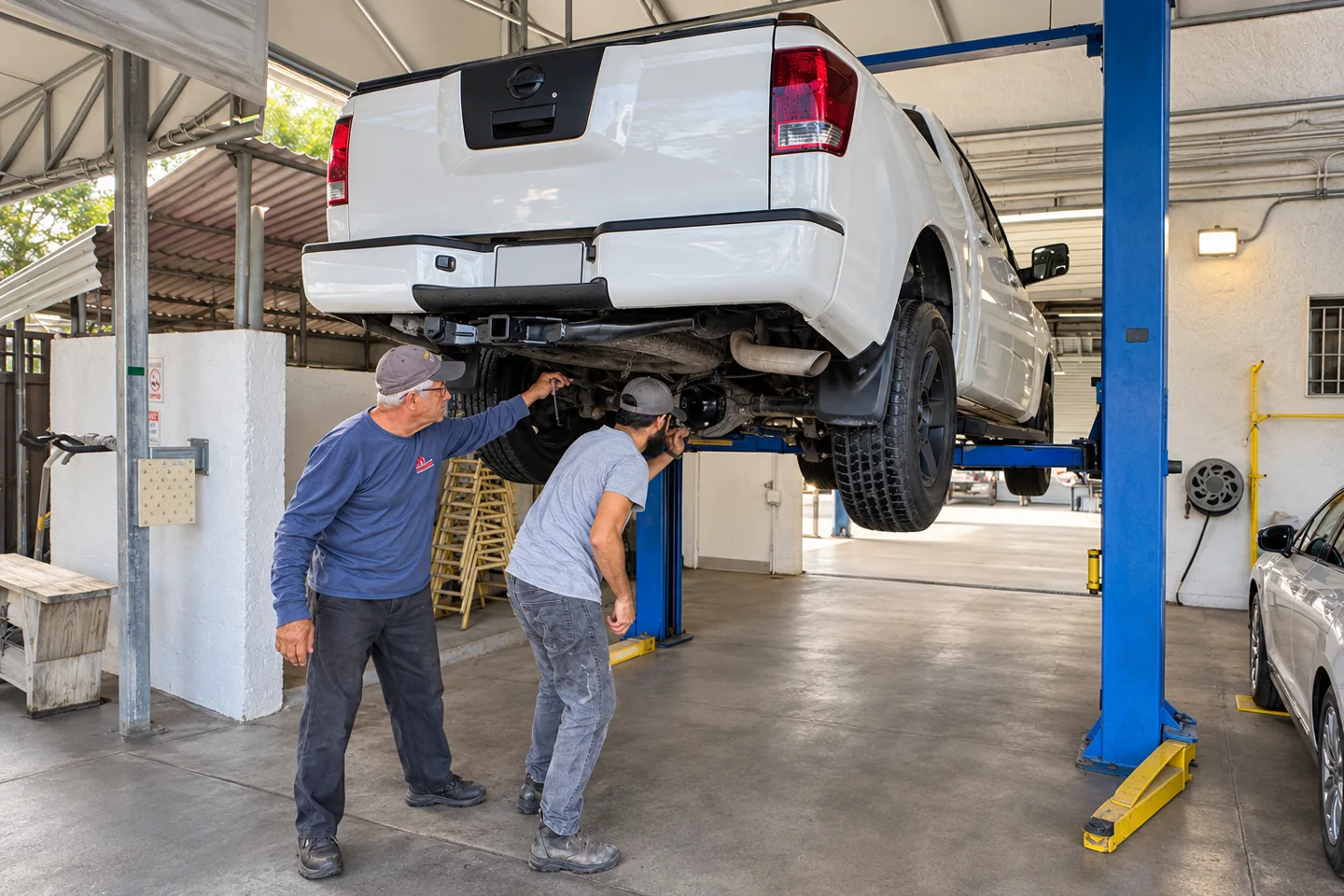
The vehicle should also be inspected throughout the process, not just at delivery. Depending on the repair, this can include fit and alignment checks, diagnostic scans, system calibrations, paint quality review, and a final road test when appropriate. The goal is not simply to make the damaged area look better. It is to return the vehicle to proper operation and appearance using sound repair procedures.
At Auto Collision Specialists, customers are guided through this process with claims assistance, towing coordination, rental-car support, and repair planning built around the vehicle’s actual needs. Experience, technology, and care matter most when the visible damage is only part of the story.
A Collision Estimate Is the Start of a Careful Repair
The lowest number on paper is not always the best measure of value. A meaningful estimate reflects the work needed to restore the vehicle correctly, while leaving room for responsible adjustments if hidden damage is found. Clear documentation, direct answers, and a repair team willing to explain the process are all signs that your vehicle is being treated with appropriate care.
Bring your questions to the estimate appointment, keep your insurance information close, and choose a repair center that makes the next step feel manageable. After an accident, that kind of guidance can be just as valuable as the repair itself.