When to Replace Car Body Panels After a Crash
A dented door or crumpled fender can make any accident feel more serious, but visible damage alone does not determine the repair. Knowing when to replace car body panels starts with a proper inspection of the panel, the structure behind it, and the manufacturer’s repair requirements. In many cases, a skilled collision technician can restore a panel safely. In others, replacement is the more responsible choice for your vehicle’s fit, appearance, corrosion protection, and long-term value.
Repair or Replace? The Decision Is More Than Cosmetic
Body panels do more than give a vehicle its finished appearance. Doors, hoods, fenders, quarter panels, bumpers, and liftgates are designed to fit within precise gaps, protect components, manage certain types of impact energy, and support safety systems such as sensors, cameras, lights, and side-impact equipment.
The right decision depends on the extent and location of the damage. A shallow dent in an accessible section of a steel fender may be repaired efficiently. A sharply creased door skin near a reinforced edge may not return to its original shape without compromising the panel’s strength or finish. Aluminum panels, high-strength steel, and panels with attached technology can require different repair methods than older conventional steel panels.
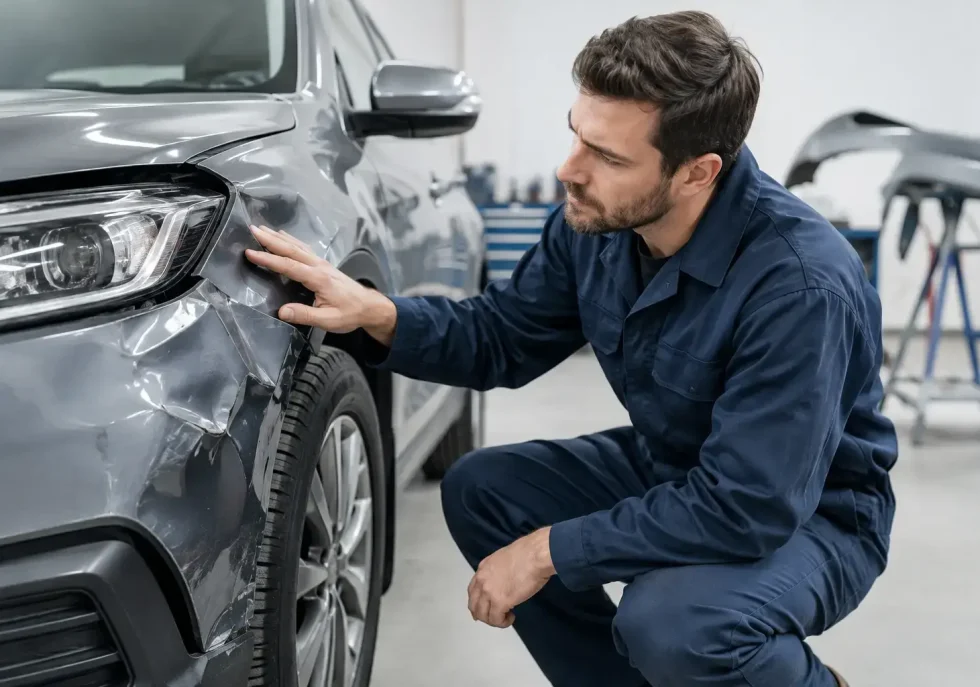
A qualified repair facility evaluates the damage before choosing a method. This includes checking the visible surface, mounting points, panel seams, adjacent parts, and the underlying structure. What appears to be a minor bumper impact, for example, can also affect absorbers, brackets, sensors, or reinforcement components behind the cover.
Signs It Is Time to Replace a Car Body Panel
Replacement is often recommended when repair would not return the panel to a safe, durable, and properly aligned condition. The goal is not simply to make the damage less noticeable. It is to restore the vehicle according to appropriate repair procedures.
Four conditions commonly point toward panel replacement:
- Severe creasing or stretching: Metal that has been sharply folded, stretched, or heavily distorted may not be restored reliably. Repairing it can require excessive metalwork or filler, which can affect the panel’s durability and finish.
- Damage at a safety-related area: Door intrusion beams, hinge areas, latch locations, bumper reinforcements, and other engineered sections should be handled according to manufacturer repair guidance. If the damaged area is not approved for repair, replacement may be necessary.
- Corrosion that has weakened the panel: Surface rust may sometimes be addressed, but rust that has spread through seams, mounting areas, or the back side of a panel can continue to grow. Replacing the affected part is often the lasting solution.
- Poor fit after an impact: If a door will not latch correctly, a hood sits unevenly, a fender gap has changed, or a liftgate no longer seals, the concern may extend beyond appearance. Proper alignment protects against wind noise, water intrusion, premature wear, and reduced resale value.
Cracks in plastic bumper covers are another common example. Small damage in an approved repair zone may be repairable. Larger tears, missing material, damaged mounting tabs, or damage near sensor openings can make replacement the better option.
When Repair Can Be the Better Choice
Replacement is not automatically better than repair. If the panel remains structurally sound and the damage is limited, repair can preserve the original factory-installed part while reducing cost and repair time. Paintless dent repair may be appropriate for minor dents where the paint surface is intact and the metal is accessible from behind. Conventional body repair may be suitable for dents, scrapes, and low-speed impact damage that has not stretched the metal or affected critical areas.
A quality repair should not mean covering damage quickly. Proper panel repair involves carefully reshaping the material, protecting bare metal from corrosion, preparing the surface correctly, and refinishing it to match the surrounding panels. On newer vehicles, it may also involve removing and reinstalling trim, moldings, lights, cameras, and sensors according to the vehicle manufacturer’s procedures.
The practical trade-off is straightforward: repair is often efficient when the panel can be returned to its intended condition. Replacement becomes the smarter investment when a repair would leave uncertainty about strength, fit, corrosion resistance, or the final finish.
The Importance of Damage Behind the Panel
After a collision, exterior damage is only one part of the picture. A front fender may be dented because it absorbed a sideswipe, but the impact can also shift brackets, liners, headlamp mounts, or suspension-adjacent components. A damaged rear bumper can conceal issues with parking sensors, blind-spot monitoring equipment, mounting reinforcements, or energy absorbers.
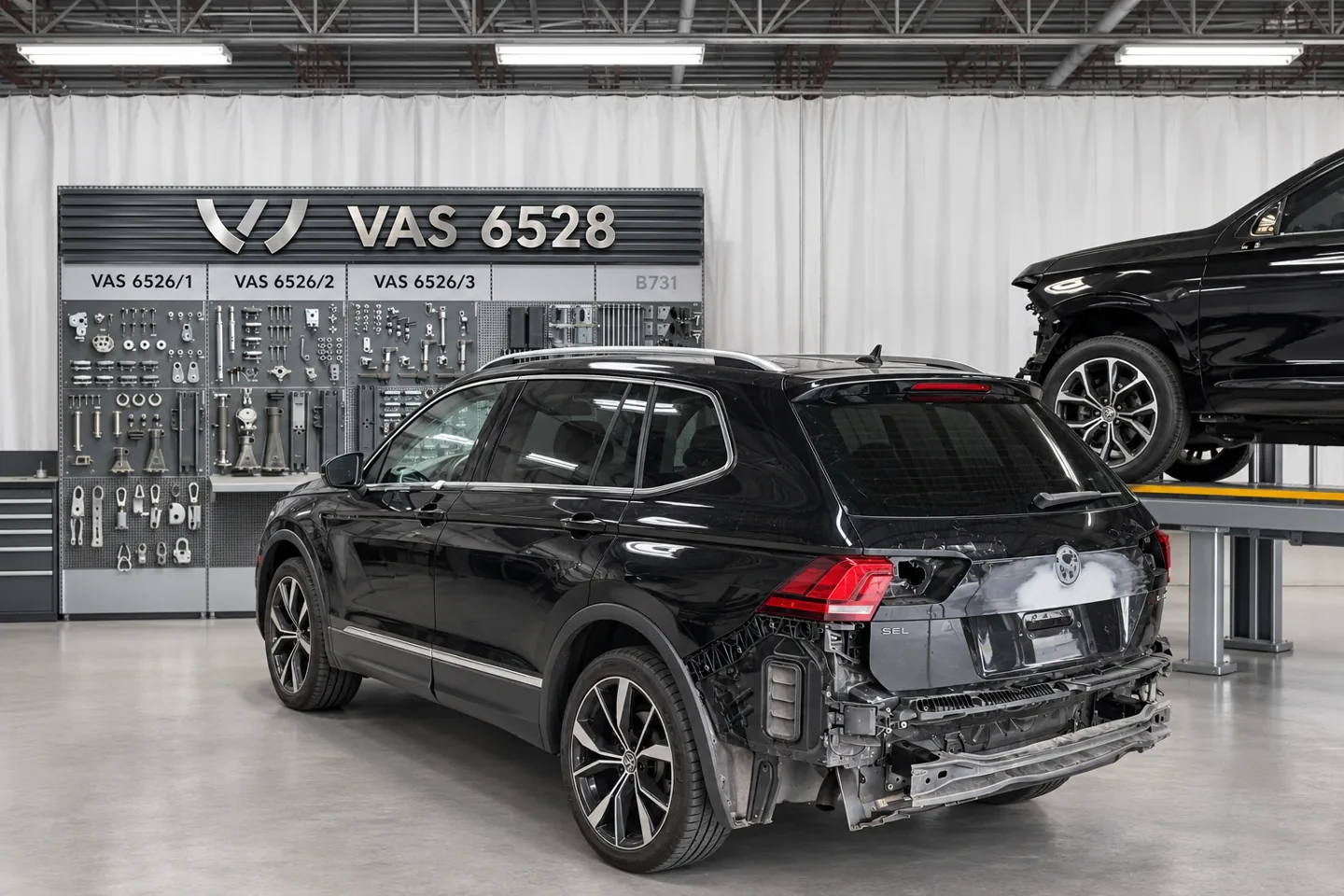
That is why an estimate based only on a quick visual review may change after disassembly. Removing the damaged panel or bumper cover gives technicians access to the parts behind it and helps identify necessary repairs that were not visible at check-in. This is a normal part of a careful collision repair process, not a sign that the repair plan was incomplete.
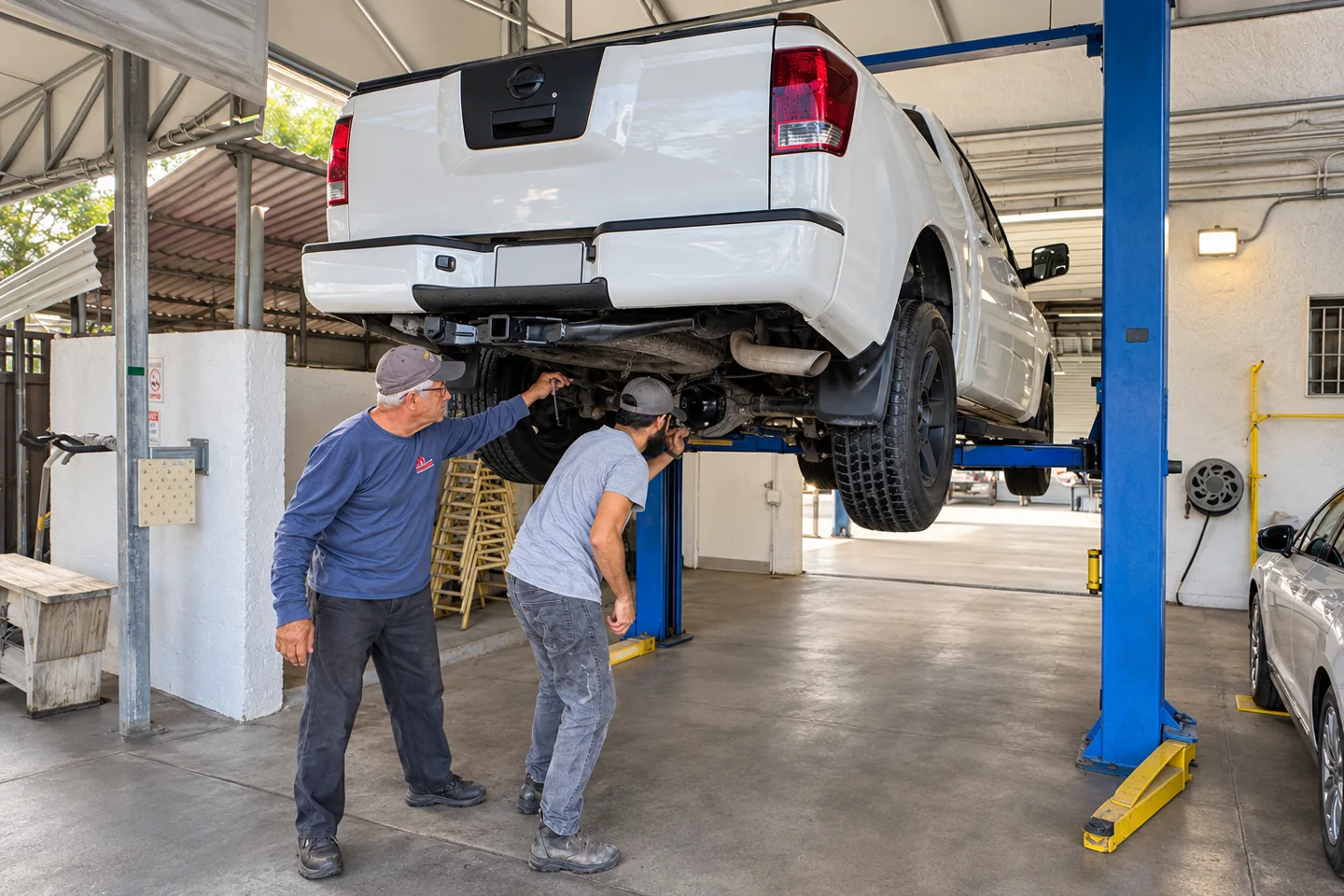
Frame or unibody measurements may also be needed if the accident involved a stronger hit. A new door or fender cannot fit correctly if the structure it mounts to has shifted. Before installing replacement panels, technicians must address structural alignment so panel gaps, closures, and weather seals function as intended.
Materials and Technology Change the Repair Decision
Modern vehicles often combine steel, high-strength steel, aluminum, plastic, and composite materials. Each reacts differently in a collision and has its own repair limitations. Aluminum, for example, requires dedicated tools and processes to prevent contamination and achieve a proper repair. High-strength steel may have restricted heat or straightening procedures because improper repairs can change the material’s properties.
Technology adds another layer. Bumpers, mirrors, windshields, grilles, and body panels may house cameras, radar units, ultrasonic sensors, wiring, or lighting components. After replacement or repair, some systems require calibration to confirm that driver-assistance features work correctly. A panel that looks properly installed is not necessarily fully repaired until related systems have been inspected and, when required, recalibrated.
For this reason, repair decisions should be based on manufacturer procedures and the vehicle’s specific equipment, not on a one-size-fits-all approach.
Paint, Corrosion Protection, and Long-Term Appearance
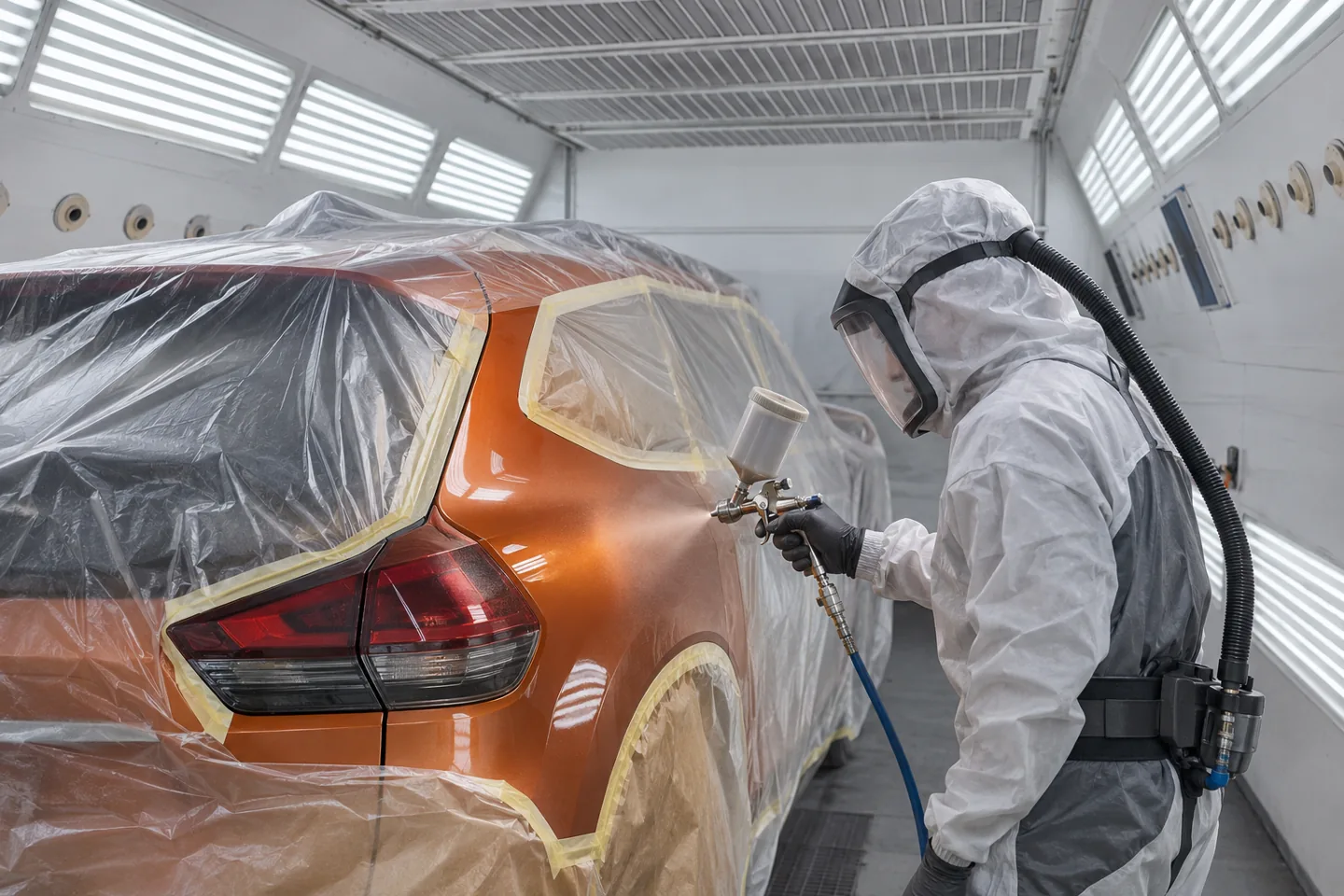
Whether a panel is repaired or replaced, refinishing quality matters. Color matching involves more than selecting a paint code. Sun exposure, age, previous repairs, and the angle of metallic or pearl finishes can change how color appears across the vehicle. Blending color into adjacent panels may be necessary to create a consistent result.
The preparation underneath the paint matters just as much. Repair areas and replacement panels need the correct primers, seam sealers, and corrosion-protection materials. These steps help prevent moisture from reaching bare metal, particularly in South Florida’s humid, coastal environment. Skipping them may lead to bubbling paint, rust, or deteriorating seams long after the vehicle leaves the shop.
A replacement panel should also be checked for proper fit before refinishing. Painting a panel before confirming gaps, contours, and accessory placement can create unnecessary delays and additional work.
What to Ask During the Estimate
You do not need collision-repair expertise to participate in the decision. A dependable repair center should explain why a panel can be repaired or why replacement is recommended. Ask whether the damage affects mounting points, safety-related areas, or components behind the panel. If your vehicle has cameras or driver-assistance features, ask whether calibration will be needed after the repair.
It is also reasonable to ask whether the estimate may change after disassembly and how insurance supplements are handled if hidden damage is found. Clear communication helps prevent surprises and makes it easier to understand the repair plan your insurer reviews.
At Auto Collision Specialists, technicians assess the complete repair need, from body panels and paint refinishing to structural alignment and related vehicle systems. The focus is on a repair that supports proper fit, dependable operation, and confidence when you return to the road.
A damaged panel does not always need to be replaced, and a replacement is not always the fastest answer. The right choice is the one supported by a thorough inspection, appropriate repair procedures, and careful workmanship. If an accident has left you unsure about the condition of your vehicle, have the damage evaluated before making assumptions based on what you can see from the outside.