Door Panel Repair After an Accident: What to Expect
A damaged door can make a vehicle feel unsafe long after the impact. Door panel repair after accident damage is not just about removing a dent or making the paint look better. The door must open, latch, seal, protect occupants, and work correctly with its handles, glass, locks, wiring, and safety systems.
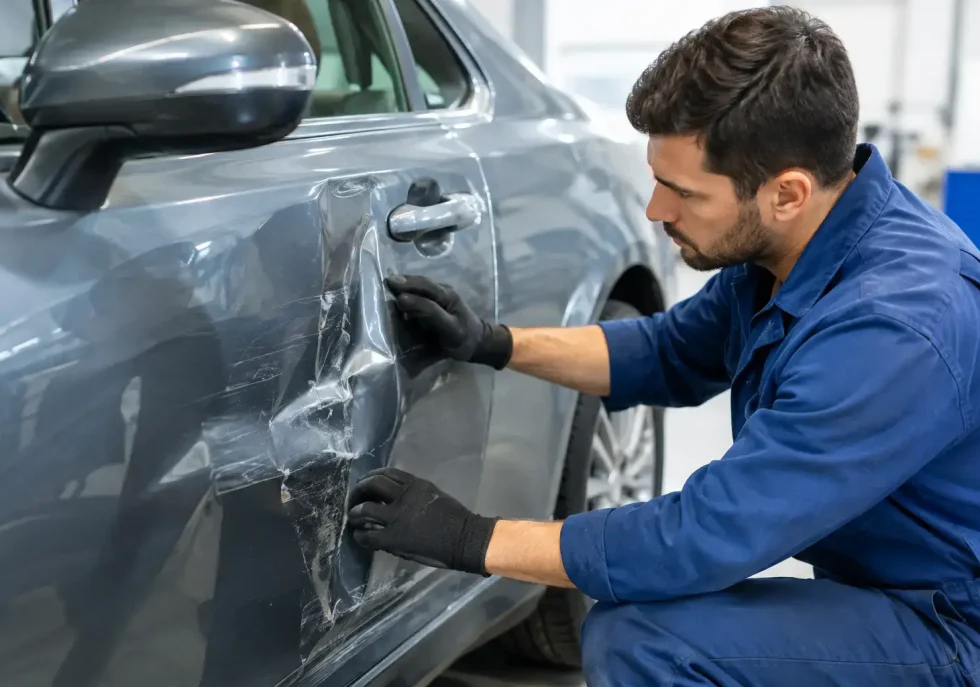
A door that still closes after a collision may appear to need a simple cosmetic repair. In reality, damage can extend from the outer metal skin to the hinges, latch area, window regulator, intrusion beam, or surrounding rocker panel and fender. A careful inspection is the only reliable way to determine whether repair or replacement is the safer choice.
What “door panel” damage can mean
Drivers often use “door panel” to describe the outside metal portion of the door, but the term can refer to different parts. The outer door skin is the painted metal panel that shows dents and scratches. The inner trim panel is the interior piece that covers wiring, switches, speakers, and the window mechanism. The complete door shell includes the structural inner sections, reinforcements, hinges, and mounting points.
Each type of damage requires a different approach. A shallow dent in an outer skin may be repairable without replacing the entire door. A door with a bent hinge mount, crushed edge, or damaged side-impact reinforcement may require more extensive work. Interior trim damage may also need attention if clips break, switches stop working, or moisture reaches electrical connections.
This distinction matters because the right repair protects both appearance and function. Repainting a damaged outer panel will not correct a door that is misaligned or no longer seals against wind and rain.
The first inspection looks beyond the dent
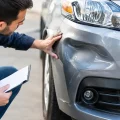
A qualified collision repair facility starts by documenting visible damage and checking how the door operates. Technicians look at body gaps around the door, alignment with the fender and quarter panel, latch engagement, hinge movement, window operation, weatherstrips, and the condition of the glass.
They also inspect the surrounding structure. A side impact can move the B-pillar, rocker panel, roof rail, or adjacent panels enough to affect door fit. If those areas are out of specification, installing or repairing a door before correcting the underlying structure can lead to poor gaps, wind noise, water leaks, or premature wear.
Modern doors can also contain wiring for power locks, mirrors, speakers, keyless-entry antennas, blind-spot alerts, courtesy lights, and other components. Depending on the vehicle and impact location, diagnostic scanning may be appropriate to identify fault codes or verify that related systems are operating as intended.
When door panel repair is a good option
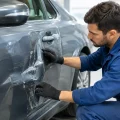
Repair is often the practical choice when damage is limited to the outer skin and the metal can be restored without compromising the panel. Small to moderate dents, scuffs, scratches, and minor creases may be repaired when the door frame, edges, hinge area, and internal reinforcement remain sound.
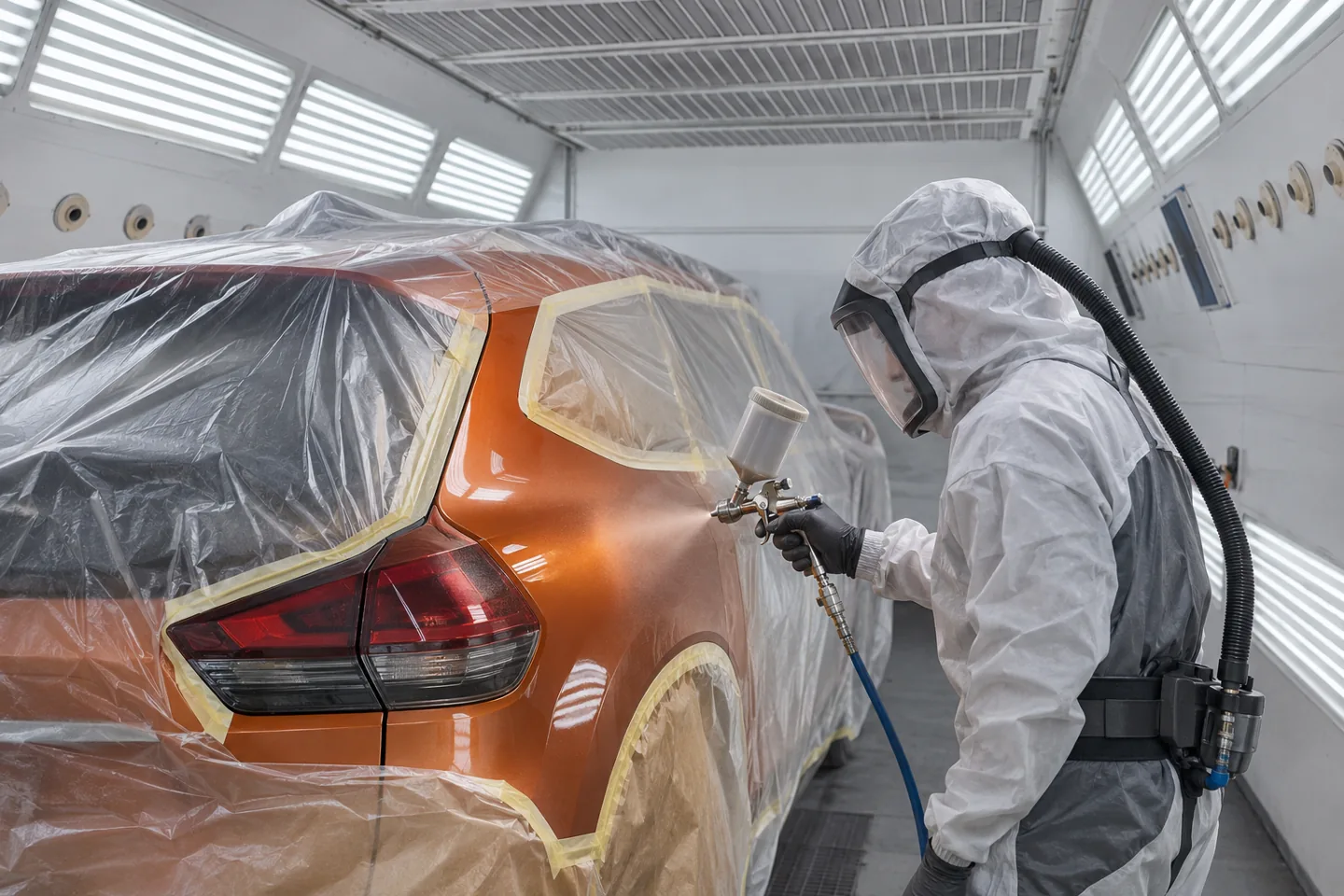
The repair process commonly involves removing trim and hardware as needed, reshaping the metal, preparing the surface, applying approved refinishing materials, and reinstalling components. If the collision damaged only the finish, refinishing may be the main portion of the work. If the metal is stretched or creased, the technician must carefully restore its contour before paint is applied.
Repair can preserve original factory parts and may reduce costs compared with replacement. Still, it is not automatically the better answer. A shop should not force a repair simply because a replacement panel costs more. The condition of the metal, repairability limits, corrosion protection, and manufacturer procedures all guide the decision.
Paintless dent repair has limits
Paintless dent repair can be effective for certain dents where the paint remains intact and the panel can be accessed from behind. It is generally not the right solution for sharp collision creases, cracked paint, damaged edges, or a door with structural misalignment. After an accident, a conventional collision repair inspection helps determine whether this less invasive option is suitable.
When replacement is the safer choice
Door replacement may be recommended when the damage affects the door’s structural areas or cannot be repaired to proper standards. Common reasons include a crushed door edge, severe creasing, torn metal, bent hinge mounts, latch damage, extensive corrosion risk, or damage to the intrusion beam inside the door.
The intrusion beam is especially important. It is designed to help manage forces in a side collision. If an impact has distorted this reinforcement or the door’s inner structure, replacing the door assembly may be safer than attempting to restore it.
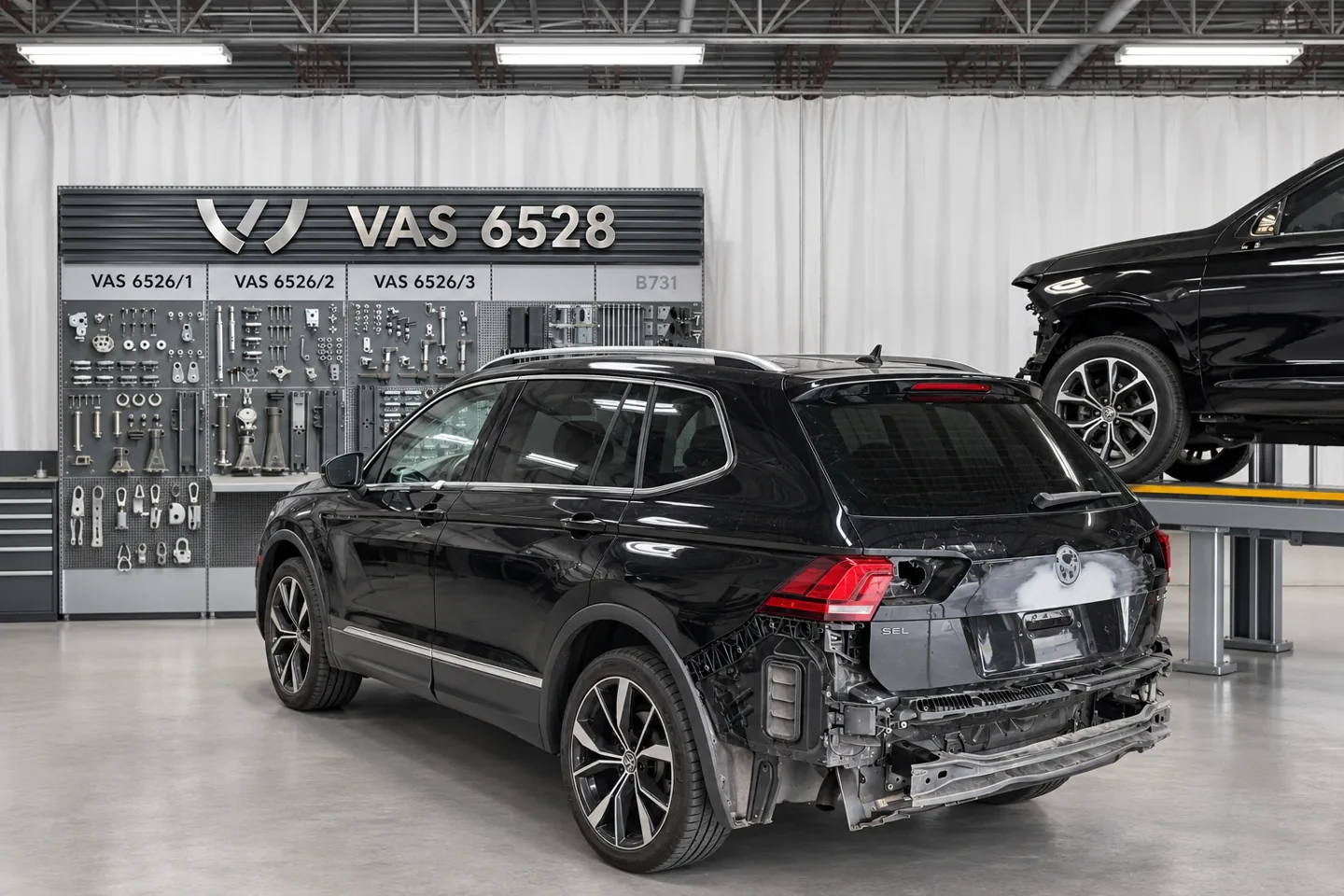
Replacement does not necessarily mean the work is simple. The replacement door may need to be transferred with glass, wiring, trim, locks, handles, mirror components, and sensors. It must be aligned to the vehicle, adjusted for proper closing effort, checked for weather sealing, and refinished to match adjacent panels. Depending on the color and vehicle design, blending paint into nearby panels may be needed for a consistent appearance.
Why door alignment matters after an accident
A door should close with normal effort, sit evenly within its openings, and seal tightly against the weatherstrip. A small alignment issue can lead to larger frustrations over time: wind noise at highway speeds, water intrusion during heavy South Florida rain, rattles, uneven paint contact, or a latch that becomes difficult to operate.
Proper alignment is more than adjusting hinges until the gaps look acceptable. The repair team needs to confirm that the door, body opening, latch, striker, and surrounding structure are all correctly positioned. If the vehicle’s frame or unibody has shifted, precise measuring and straightening may need to happen before final door adjustments.
After repairs, the window should travel smoothly, the locks and handles should operate normally, and the door should seal consistently. These checks help ensure the vehicle is ready for daily commuting, family trips, and changing weather conditions.
Insurance estimates can change after teardown
An initial insurance estimate is based on visible damage. Once the door trim, exterior hardware, or damaged panel is removed, additional issues may become visible. A bent window track, broken mounting clip, damaged wiring connector, or hidden damage behind the door skin may require a supplement to the original estimate.
This is a normal part of collision repair, not a sign that the repair is being expanded without reason. The repair facility documents the additional damage and works with the insurer to seek authorization for the necessary work. Customers should be kept informed about what was found, how it affects the repair plan, and whether it changes the expected timeline.
For drivers already managing transportation, claims, and work schedules, clear communication is part of a smoother repair experience. Insurance-claim assistance, towing coordination, and nearby rental-car coordination can reduce the pressure while the vehicle is being restored.
Questions to ask before authorizing repairs
You do not need to be a collision expert to make an informed decision. Ask whether the damage is limited to the outer skin or involves the structural portion of the door. Ask whether the shop has checked the hinges, latch, window operation, weatherstrips, and surrounding body structure. If replacement is recommended, ask why repair would not meet the needed standard.
It is also reasonable to ask how paint matching will be handled and whether the shop follows manufacturer repair procedures for your vehicle. For newer vehicles, ask whether diagnostics or calibrations are needed after the repair. A dependable shop will explain the work in plain language rather than asking you to accept a vague estimate.
At Auto Collision Specialists, the goal is to restore more than the appearance of a damaged door. With experienced technicians, modern repair equipment, and a personal approach to claims coordination, the focus remains on a repair that fits, functions, and protects as it should.
Before approving a quick cosmetic fix, make sure the door has been evaluated as part of the vehicle’s complete collision damage. A properly repaired door should give you confidence each time you close it, lock it, and head back onto the road.