Can a Dented Bumper Be Repaired? What to Know
A bumper can look like a simple painted panel after a parking-lot impact, but modern bumpers often protect far more than appearance. So, can a dented bumper be repaired? In many cases, yes. The right answer depends on where the damage is, how deeply the material is distorted, and whether the impact affected the components behind it.
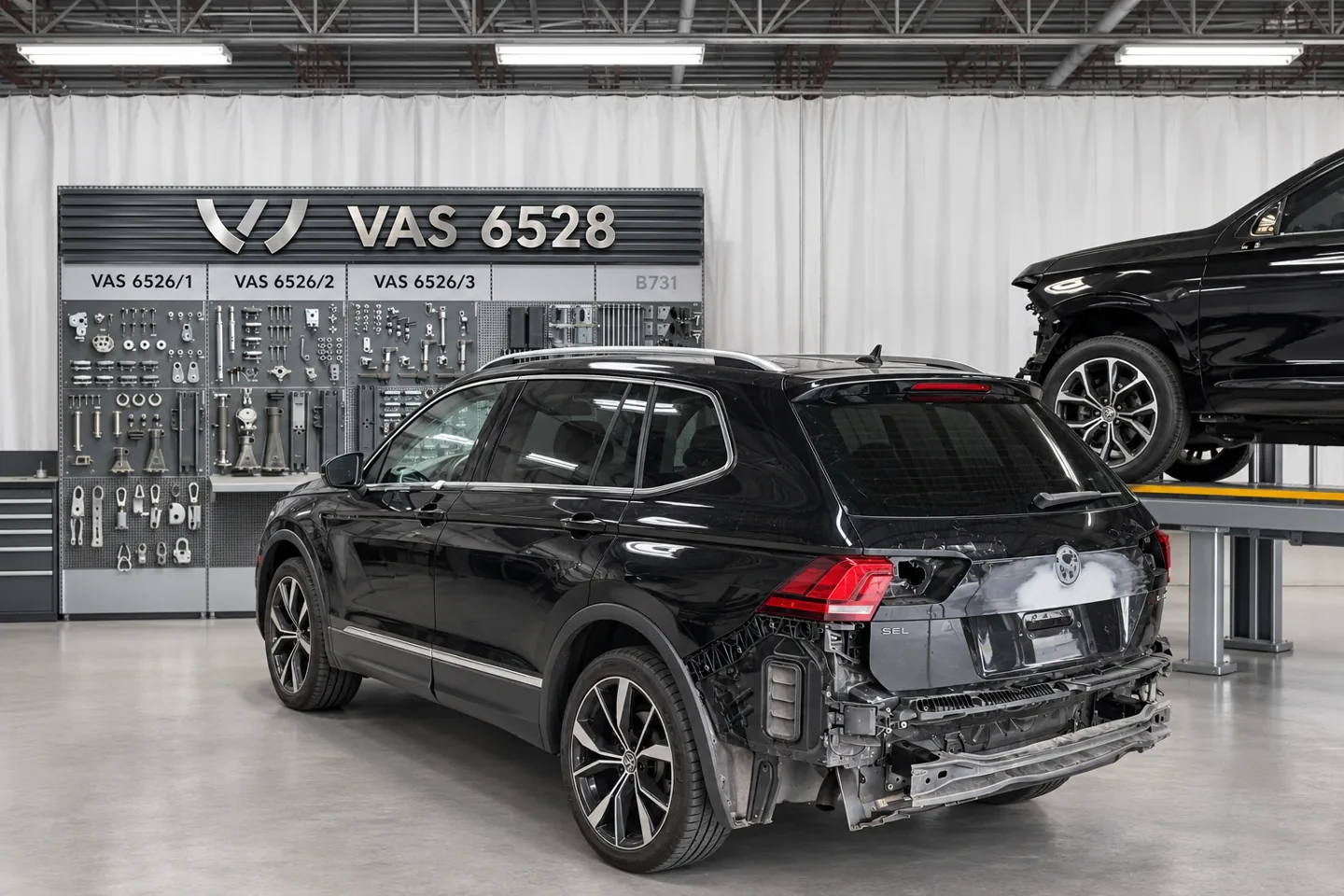
A careful inspection matters because a bumper cover can hide damage to energy absorbers, reinforcement bars, mounting points, sensors, lamps, and nearby body panels. Repairing a visible dent without checking those areas may leave you with a vehicle that looks better but has unresolved damage underneath. A qualified collision repair facility evaluates both the finish and the structure before recommending repair or replacement.
Can a Dented Bumper Be Repaired Safely?
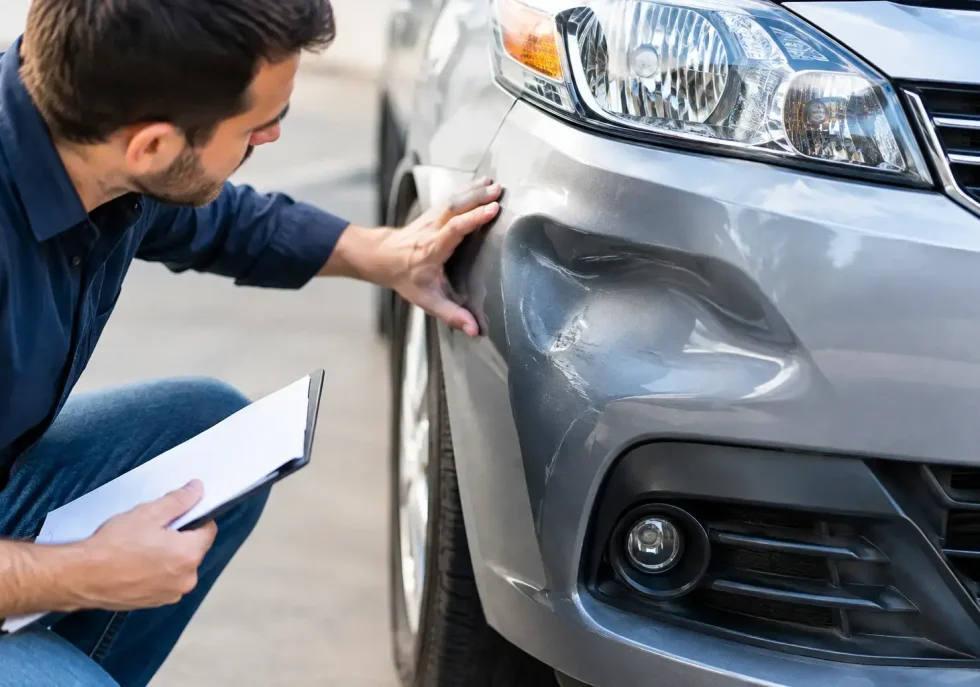
Most newer vehicles use bumper covers made from flexible plastic. A shallow dent, scrape, or crease in that outer cover can often be reshaped and refinished successfully. Technicians use controlled heat, specialized tools, and proper repair materials to return the panel to its intended contour. The repaired area is then prepared, primed when needed, and refinished so the color and gloss blend with the surrounding vehicle.
Repair is usually a practical option when the bumper cover has a limited dent, no major tears, and sound mounting tabs. It can preserve the original part and may cost less than replacement. It also makes sense when there is no evidence that the impact reached safety-related components behind the cover.
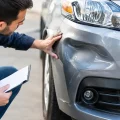
However, a bumper should not be repaired simply because the dent appears small. Even a low-speed impact can transfer force behind the cover. That is why a proper estimate includes removing or closely inspecting the bumper area when the damage calls for it, rather than making a decision based on a quick look in a driveway.
When Bumper Replacement Is the Better Choice
Replacement becomes the more responsible option when the plastic is torn, split, badly stretched, or missing material. Deep creases can sometimes be repaired, but heavily deformed plastic may not hold its original shape or provide a durable finish. Cracked mounting tabs are another concern. If the cover cannot attach securely and align correctly with adjacent panels, replacement may prevent ongoing fit and finish problems.
The same applies when the bumper reinforcement, absorber, brackets, or mounting points behind the cover are bent or damaged. These parts are designed to manage impact forces, and they should be evaluated according to manufacturer repair procedures. A new bumper cover alone does not correct damage to the parts beneath it.
Sensors add another reason to avoid guesswork. Parking sensors, blind-spot monitoring systems, cameras, radar units, and wiring may be located in or near the bumper. Damage, paint thickness, improper part fit, or an uncalibrated sensor can affect how those systems perform. When required, the repair process should include scanning, component checks, and calibration following the vehicle manufacturer’s procedures.
There are also cosmetic situations where replacement is worth considering. If the damage extends across a large section of the bumper, previous repairs are failing, or the cover has widespread sun damage, a repair may not offer the appearance or longevity you expect. The best choice is not always the least expensive line on an estimate. It is the option that restores safe function, proper fit, and a finish you can feel confident about.
What a Professional Bumper Repair Involves
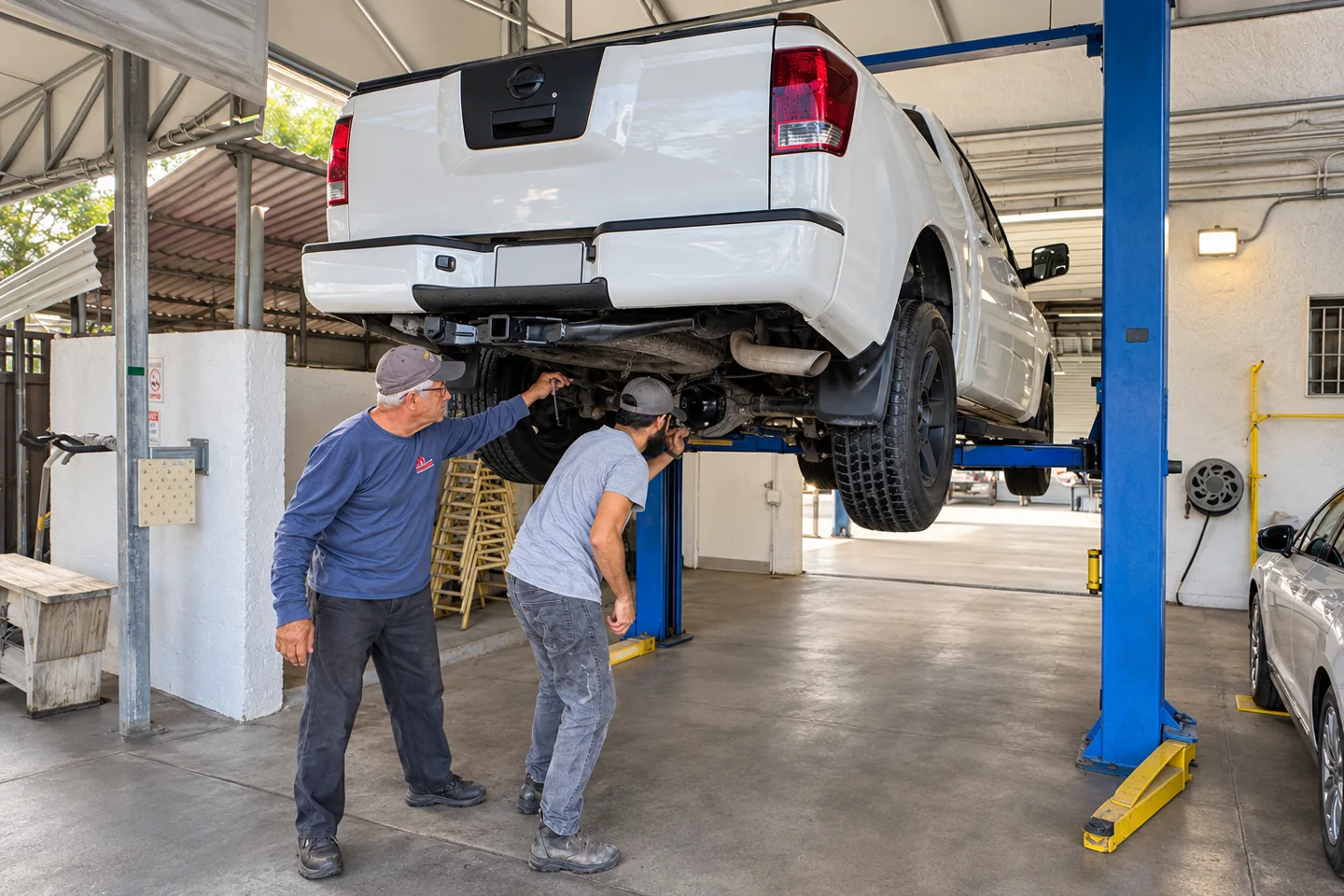
A quality bumper repair is more involved than filling a dent and applying paint. The process begins with an inspection of the bumper cover, its attachment points, and the components behind it. The repair team also checks panel gaps, nearby lamps, wheel-opening trim, and any visible signs of impact transfer to the fender, liftgate, trunk lid, or quarter panel.
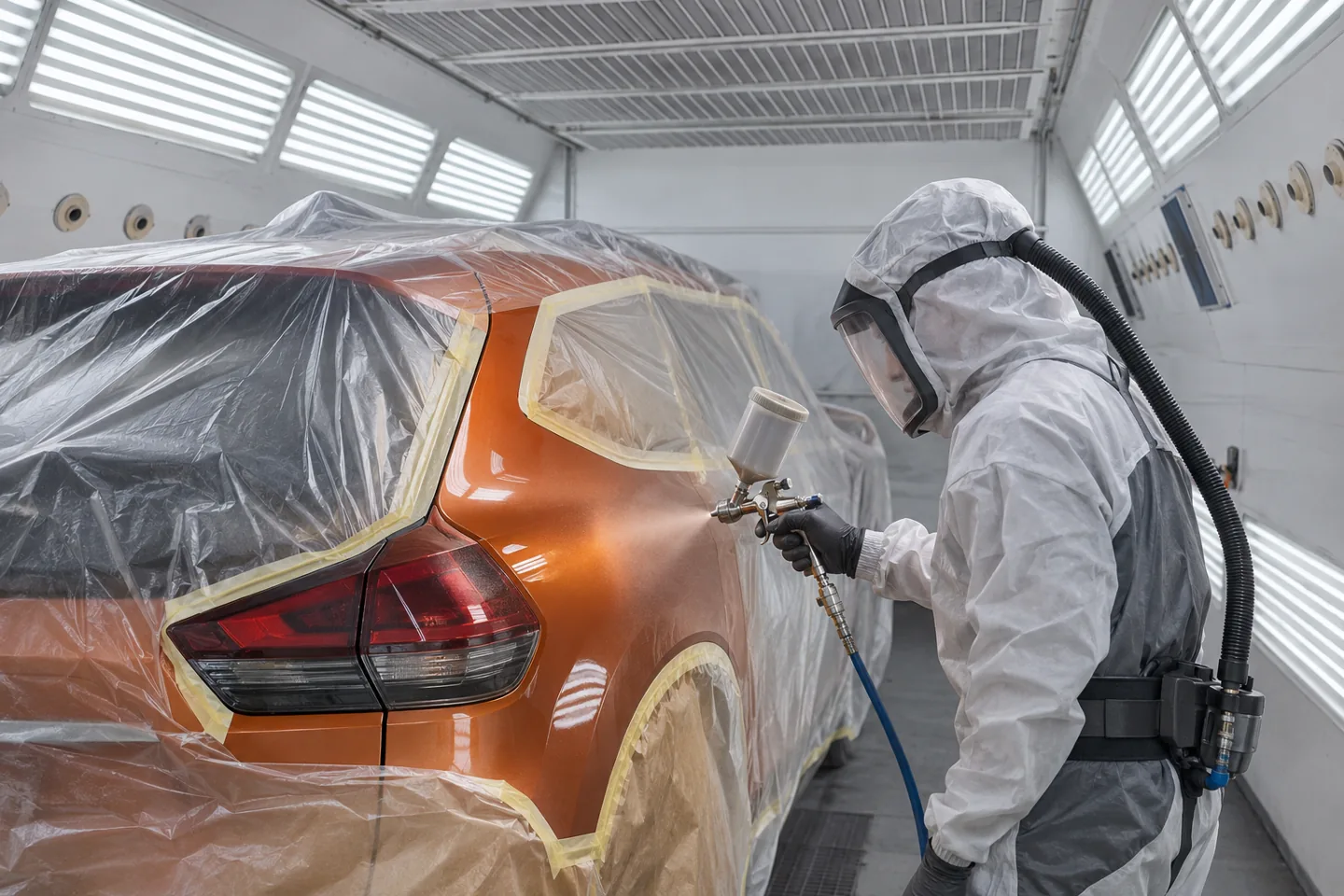
If repair is appropriate, the technician reshapes the plastic using methods suited to the bumper material and location of the damage. The damaged finish is removed or feathered, the surface is cleaned and prepared, and repair materials are applied as needed. Proper preparation is essential. Plastic flexes more than metal, so the products and procedures used must be compatible with the part.
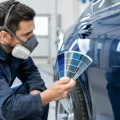
Refinishing is equally important. Paint color can vary with vehicle age, sun exposure, and the angle of the panel. A professional facility uses computerized color matching and controlled spray conditions to achieve a consistent result. Blending color into adjacent panels may be recommended when it is necessary to produce a natural match rather than a noticeable repair edge.
At Auto Collision Specialists, bumper work is approached as part of the complete collision repair process. That means looking beyond the surface damage, coordinating insurer documentation when needed, and restoring the vehicle with attention to manufacturer-aligned repair standards.
Repair Costs Depend on More Than the Dent
It is reasonable to ask whether repairing a bumper will save money. Often it can, but the final cost depends on the full scope of work. A shallow dent with minor paint damage is different from a dent that also requires sensor inspection, bracket replacement, color blending, or repairs to the panel beside it.
Insurance coverage may also affect the decision. If the damage resulted from a collision, your estimate may be part of a claim. An experienced shop can help document visible and hidden damage for the insurer and explain the recommended repair plan in clear terms. If additional damage is found after disassembly, a supplemental estimate may be needed so the repair is completed properly rather than limited to what was visible at the first inspection.
Be cautious with do-it-yourself dent-pulling methods, boiling-water tricks, or harsh chemicals. These approaches can distort plastic, crack the paint, damage sensors, or create a larger refinishing problem. They may seem appealing for a minor dent, but they are not a substitute for an inspection when the bumper was hit hard enough to leave a crease, crack, misalignment, or warning light.
Signs You Should Schedule an Inspection Soon
A bumper dent deserves prompt attention if the cover is loose, cracked, rubbing a tire, misaligned with the fender or headlights, or causing a sensor warning. You should also have the vehicle checked if the impact involved another vehicle, a curb, a pole, or an object that struck the bumper at an angle. Those impacts can damage brackets and hidden parts even when the paint damage is limited.
If your vehicle drives differently, a light is illuminated on the dashboard, or a camera or parking sensor no longer works as expected, do not treat the issue as cosmetic. Bring the vehicle in for a professional assessment. Photos can be helpful when beginning an insurance claim, but they cannot always show what is behind the bumper cover.
A dented bumper does not automatically mean your vehicle needs a new part, and it should not automatically be dismissed as minor. A knowledgeable inspection gives you a clear path forward: repair when the part can be restored correctly, replace when safety, fit, or durability calls for it, and return to the road with confidence.