Windshield Replacement After Car Accident
A cracked windshield can feel secondary after a collision, especially when there is visible damage to the bumper, doors, or body panels. But windshield replacement after car accident damage is often a safety decision, not simply a cosmetic one. Your windshield supports the vehicle’s structure, helps airbags perform as designed, and gives you the clear visibility needed to drive safely.
The right next step depends on the type of damage, where it is located, and whether the accident affected surrounding body structure. A qualified collision repair center can inspect the glass as part of the full damage assessment, coordinate with the insurance process, and make sure the replacement fits correctly with the rest of the repair plan.
Start With Safety, Not Appearance
After an accident, do not assume that a small crack or chip is harmless. Even a minor impact can create stress around the edge of the glass, cause a crack to spread later, or loosen the windshield’s bond to the vehicle. South Florida heat, road vibration, rain, and temperature changes from air conditioning can quickly turn limited damage into a larger problem.
If the windshield is shattered, deeply cracked, or obstructing your view, do not drive the vehicle unless it is necessary to move it to a safe location. Broken glass can continue to fall, and a damaged windshield may not provide the structural protection it should in another impact or rollover.
It is also wise to look beyond the glass itself. Damage to the roofline, A-pillars, hood, cowl panel, or front-end structure can affect how the new windshield should be installed. This is one reason a post-accident glass repair should be considered alongside the full collision repair estimate rather than as an isolated service.
When Windshield Replacement After a Car Accident Is Necessary
A repair may be possible when damage is small, limited to the outer layer of laminated glass, and located away from the driver’s direct line of sight and the windshield edges. A technician will evaluate the size, depth, and location of the chip or crack before recommending repair.
Replacement is usually the better option when a crack is long, reaches the edge of the windshield, penetrates multiple glass layers, or interferes with the driver’s view. Replacement is also often necessary when the glass is shattered, when there are several impact points, or when the windshield has separated from its mounting area.
There is no benefit in trying to save a windshield that cannot safely be repaired. A proper replacement helps restore visibility and gives the vehicle its intended support around the front cabin. The key is using the correct glass, adhesives, installation procedures, and curing time for the specific vehicle.
Why the Windshield Matters in a Collision
Modern windshields do more than block wind and rain. They are bonded into the vehicle body and can contribute to roof strength. They also provide a surface that helps support passenger-side airbag deployment in many vehicles.
If a windshield is poorly installed or the adhesive has not cured correctly, it may not stay in place as intended during a future crash. That is why a quality installation is not the place to cut corners, particularly after an accident that may have also affected the surrounding structure.
Document the Damage Before the Repair Begins
Take clear photos of the windshield from inside and outside the vehicle as soon as it is safe to do so. Include close-up images of cracks or chips, wider photos showing their location, and images of any nearby damage to the roof, hood, fenders, or dashboard.
This documentation can help with an insurance claim and gives the repair team a clearer picture before the vehicle arrives. If law enforcement responded to the collision, keep the report information with your claim details. You should also save any towing receipts, rental paperwork, and correspondence from the insurance company.
Avoid placing tape directly over cracked glass unless a repair professional advises it. Do not attempt a do-it-yourself resin repair after a collision without an inspection, especially if other structural or body damage is present. A temporary fix can make it harder to assess the original damage and may not address the reason the glass cracked.
Insurance Coverage and Claim Coordination
Windshield coverage varies by policy and by the cause of the damage. If the glass was damaged in a collision, the repair may fall under collision coverage, subject to your deductible. If another driver was responsible, their liability coverage may be involved. The specifics depend on the accident, the policies available, and the insurer’s claim decision.
Before authorizing repairs, ask how the glass work will be handled within the overall estimate. In many cases, it is easier when one collision repair facility coordinates the body repairs, glass replacement, claim communication, and related services. It reduces the chance of missed damage or conflicting schedules between separate providers.
You still have a voice in the repair process. Ask what glass will be used, whether the work requires calibration, how long the adhesive needs to cure, and whether the estimate includes all related trim, moldings, clips, and sensors. Clear answers help prevent surprises after the vehicle is disassembled.
Do Not Overlook Camera and Sensor Calibration
Many newer vehicles have cameras or sensors mounted behind the windshield. These systems may support features such as forward collision alerts, automatic emergency braking, lane departure warnings, lane-keeping assistance, adaptive cruise control, automatic high beams, or rain-sensing wipers.
When the windshield is replaced, the camera or sensor may need to be recalibrated according to manufacturer procedures. This is not an optional add-on when required. The safety system needs to recognize its position and view through the new glass accurately.
Some vehicles require a static calibration using targets and specialized equipment. Others require a dynamic calibration performed during a controlled road procedure. Some need both. The required method depends on the vehicle, its equipment, and manufacturer repair information.
Do not assume that an absence of warning lights means calibration is unnecessary. Ask the repair facility to explain whether your vehicle has advanced driver-assistance systems and to document any completed calibration or system verification.
What a Proper Replacement Process Should Include
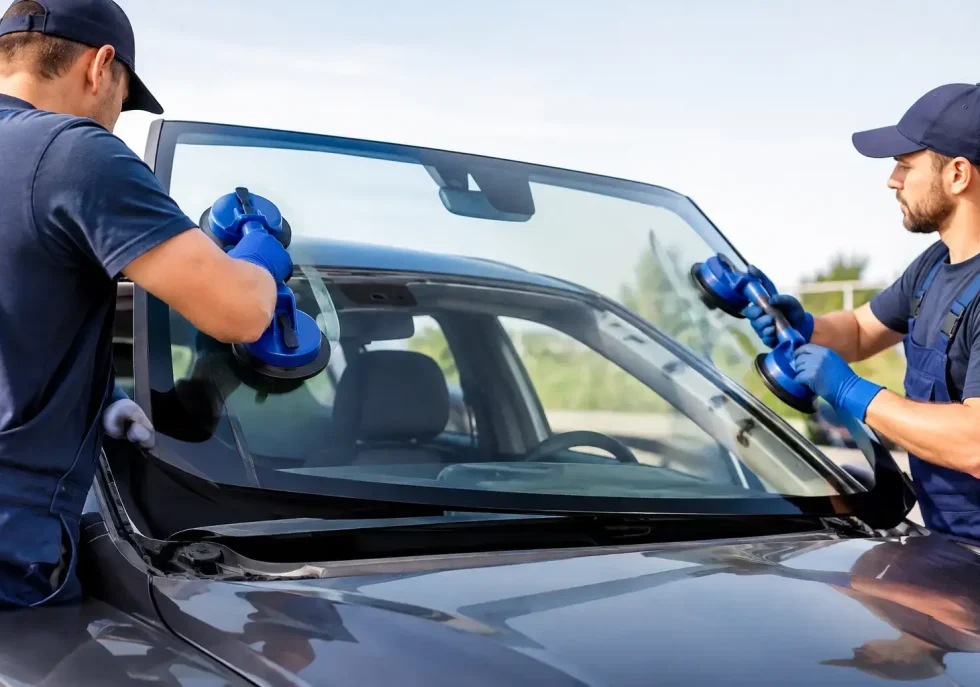
Quality windshield replacement begins with an inspection of the surrounding collision damage. The damaged glass is carefully removed without creating additional harm to the pinch weld, interior trim, headliner, dashboard, or exterior panels. The mounting surface must then be prepared correctly before new glass is installed.
The replacement windshield should match the vehicle’s required features. Depending on the model, that may include acoustic glass, solar coating, heating elements, antenna connections, camera brackets, heads-up display compatibility, or sensor mounting provisions. The least expensive glass option is not always the correct option if it does not support the vehicle’s original equipment.
The technician should use the appropriate urethane adhesive and follow specified procedures for application and curing. Safe drive-away time matters. It is the time required for the adhesive to cure enough for the vehicle to be driven safely under normal conditions. Weather, humidity, adhesive type, and vehicle design can affect that timing.
After installation, the vehicle should be inspected for proper fit, water leaks, wind noise, trim alignment, and the operation of any related systems. If calibration is required, it should be completed and verified before the vehicle is returned.
Plan the Glass Repair With the Rest of the Collision Work
In a significant accident, the order of repairs matters. A windshield may need to be removed before roof, pillar, quarter-panel, or front-end repairs can be completed. Installing new glass too early can create rework if adjacent panels still need alignment, painting, or structural correction.
A full-service collision repair center can build the glass work into the repair plan so the vehicle moves through structural repair, body work, refinishing, reassembly, and calibration in the right sequence. That coordination also helps protect freshly painted surfaces and reduces unnecessary handling of the vehicle.
At Auto Collision Specialists, the repair process is built around Experience. Technology. Care. That means looking at damaged glass in the context of the complete vehicle, helping make claims simpler, and treating safety-related details with the attention they deserve.
Questions to Ask Before You Approve the Work
Before moving forward, ask whether the windshield can safely be repaired or must be replaced. Confirm whether the estimate includes related moldings, clips, sensors, and calibration. You should also ask about the safe drive-away time and whether the repair facility will check for leaks, wind noise, and warning messages before delivery.
If your vehicle has newer safety technology, ask for confirmation that all required scans, calibrations, and system checks are included. A clear repair plan is especially valuable after a collision, when damage may extend beyond what is visible from the driver’s seat.
A damaged windshield deserves prompt attention, but it should not be rushed without the right inspection and procedures. Choose a repair team that can see the whole picture, keep you informed, and return your vehicle with the care needed for the road ahead.