Towing After a Car Accident: What to Do Next
The minutes after a collision are rarely calm. You may be checking for injuries, speaking with law enforcement, calling family, and trying to understand whether your car can be driven. Towing after a car accident is often necessary, but the decision about where your vehicle goes can affect repair timing, storage costs, and how smoothly your insurance claim moves forward.
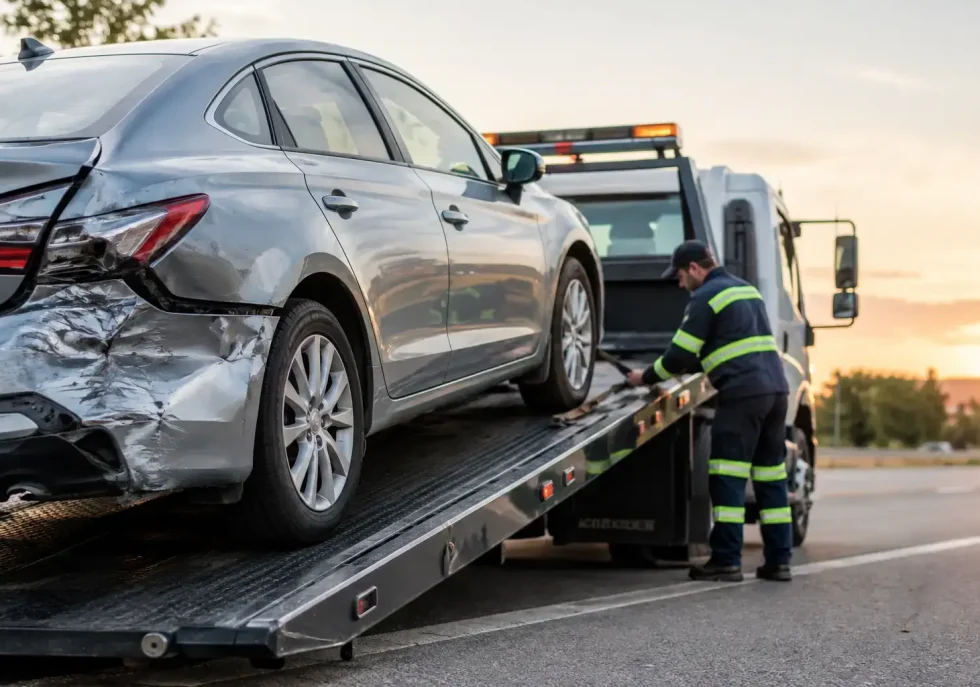
A damaged vehicle does not always look undrivable. A bent wheel, leaking fluid, broken light, loose bumper, deployed airbag, or damage beneath the vehicle can make driving unsafe even when the engine starts. When there is any doubt, protect yourself and your vehicle by arranging a tow rather than trying to get home or to work under your own power.
Start With Safety at the Scene
Before thinking about the tow truck, move to a safe location if you can do so without driving an unsafe vehicle. Turn on your hazard lights, call 911 when there are injuries, blocked lanes, significant damage, or a need for police assistance, and follow directions from responding officers.
Take photos of the vehicles, roadway, visible damage, license plates, and relevant traffic signs when it is safe to do so. Exchange information with the other driver, but avoid making statements about fault. The report, photos, and your own notes can be useful when you speak with your insurer and repair facility later.
If the vehicle is leaking fuel, has smoke coming from the engine area, has deployed airbags, or cannot move safely, stay clear of traffic and wait for trained help. Do not attempt a roadside repair or crawl beneath the vehicle to inspect damage.
When Should You Tow a Car After an Accident?
Some collision damage is obvious. A vehicle with a crushed front end, broken suspension, flat tire caused by impact, shattered windshield, or damaged steering should be towed. Other problems are less visible but just as serious. A curb strike or side impact can bend suspension components, alter wheel alignment, damage sensors, or affect the structure behind a body panel.
Consider a tow if the car pulls sharply, the steering wheel is off-center, warning lights appear, tires rub against the body, fluids are dripping, doors will not close securely, or there is damage near a wheel. You should also avoid driving if headlights, brake lights, or mirrors are too damaged for safe operation.
It may be tempting to drive a short distance because the vehicle seems mostly normal. That can turn a repairable issue into further damage. For example, driving with a damaged wheel or suspension can harm tires, steering components, and the vehicle’s underbody. A tow is often the more practical choice when the condition of the car is uncertain.
Choosing Where the Vehicle Will Be Towed
You generally have more than one option: a police-directed impound location, a tow yard, your home, a dealership, or a collision repair center. The right choice depends on the vehicle’s condition, your insurance process, and whether the repair facility can receive the vehicle.
When possible, ask to have the vehicle towed directly to the collision repair center you want to use. This can reduce an extra move from a storage lot to a shop and may help limit daily storage charges. It also allows repair professionals to document visible damage, begin planning an estimate, and help you understand the next steps.
Before authorizing the tow, ask the driver for the company name, destination, estimated charges, storage rate, and how you will retrieve the vehicle if needed. Take a photo of the tow truck and paperwork. If law enforcement has called the tow company, confirm where the vehicle is going and ask for the tow yard’s contact information.
Be cautious about unsolicited tow operators who arrive before you have called for help or before an officer directs you to them. In a stressful moment, clear information matters. You should understand who is taking your vehicle and where it will be stored before signing anything.
Protect Your Belongings and Vehicle Information
Before the vehicle leaves, remove valuables, medications, work equipment, garage remotes, documents with personal information, and anything you will need over the next few days. If your registration and insurance card are in the glove box, keep them accessible unless an officer or insurer needs a copy.
You do not need to empty the vehicle completely at the roadside, especially if doing so is unsafe. Focus on essential and valuable items. Take photos of the interior and exterior, including mileage if visible, so you have a record of the vehicle’s condition before it enters storage or repair.
Ask for a tow receipt and keep it with your accident-related documents. If the car is going to a tow yard, contact the facility promptly. Storage fees can add up quickly, and knowing the yard’s hours and release process can prevent delays.
Contact Insurance, But Keep the Repair Process Moving
Report the accident to your insurance company as soon as practical. Provide basic facts, the claim number once one is assigned, and the location of the vehicle. Your insurer may discuss coverage, deductible, inspection procedures, rental-car benefits, and whether it wants photos or an estimate.
You do not need to delay towing a damaged car while waiting for every claim detail to be settled. Your immediate priority is safe transport and secure storage. A qualified collision repair center can work with the information available, coordinate with the insurer as needed, and help keep the claim process organized.
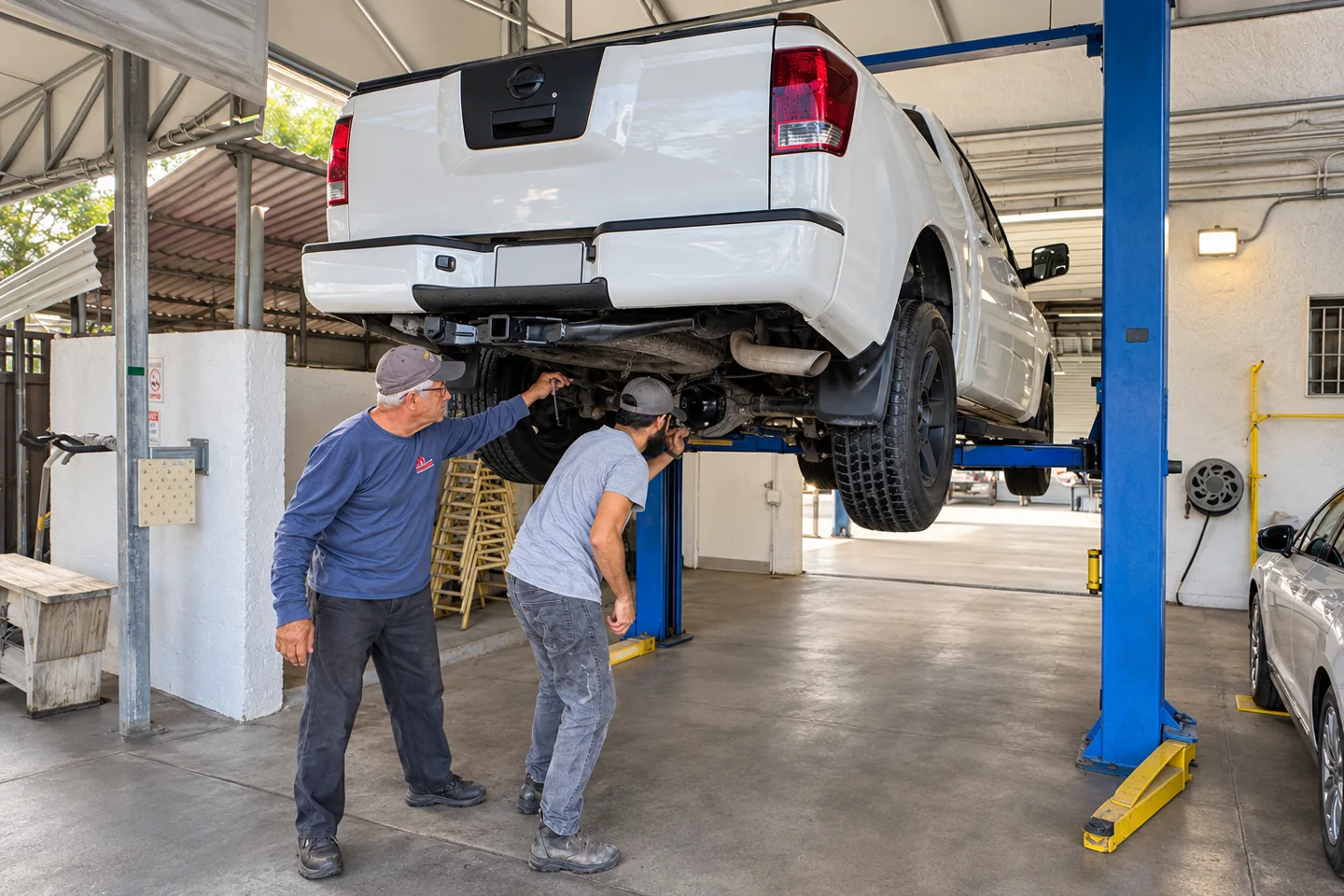
Insurance estimates are part of the process, not always the complete repair plan. Once a vehicle is disassembled, technicians may find hidden damage behind the bumper, panels, or wheels. Those findings can lead to a supplement request, which is a normal part of repairing modern vehicles correctly. Choosing a shop equipped for structural measurements, frame repair, scanning, refinishing, and manufacturer-aligned procedures helps ensure damage is addressed beyond what can be seen at the scene.
Towing After a Car Accident and Repair Quality
The first tow can influence the entire repair experience. A vehicle left at a storage lot for several days may face additional fees and an extra transport step. A vehicle sent to a repair center that lacks the right equipment may need to be moved again. Neither situation automatically means something has gone wrong, but both can add time when you are already without your normal transportation.
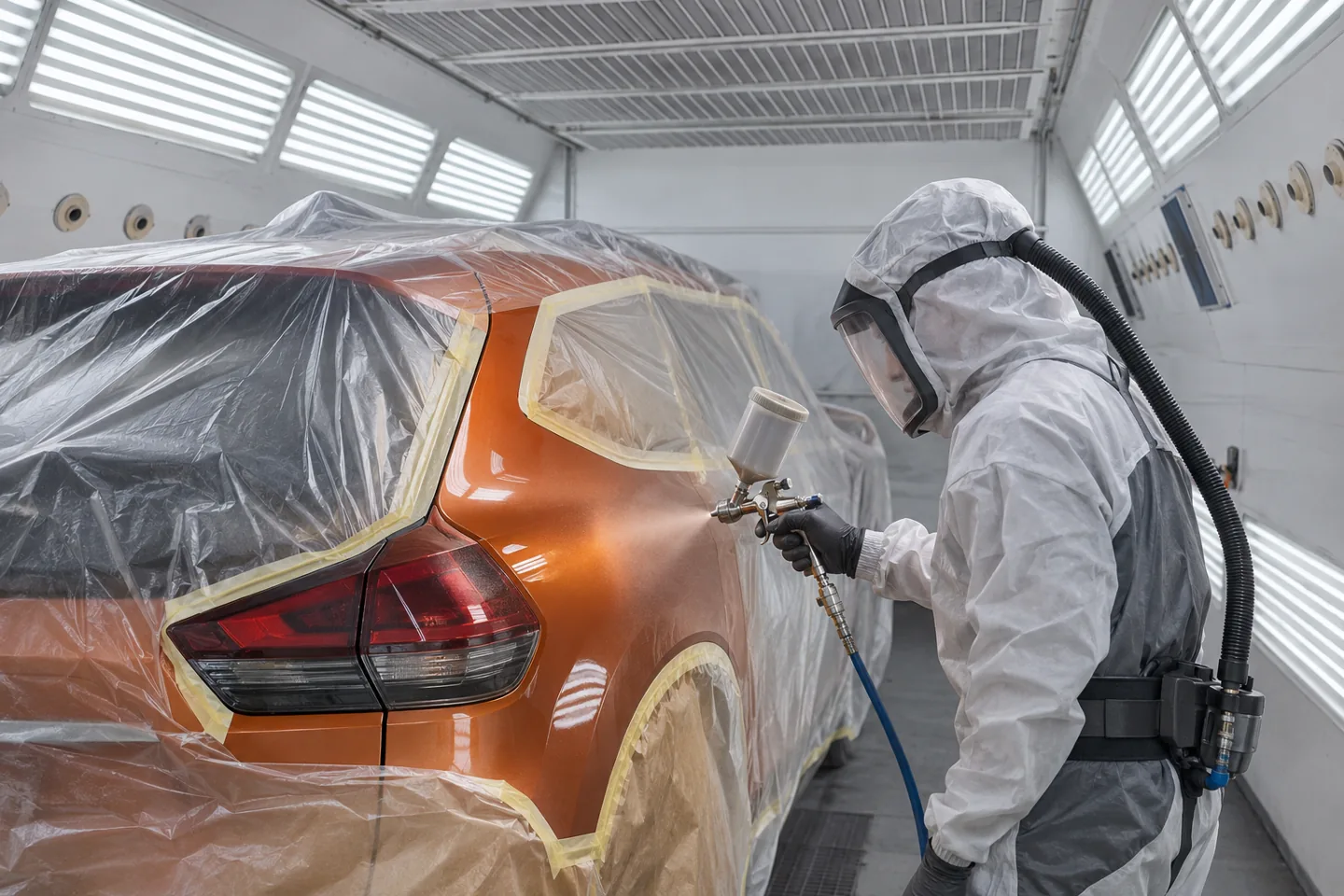
For newer vehicles, collision repair often involves more than body panels and paint. Cameras, radar components, parking sensors, airbags, electrical systems, and advanced driver-assistance features may require inspection, calibration, or scanning after an impact. Structural damage may also require precise measurement and frame straightening before replacement panels can be fitted correctly.
At Auto Collision Specialists, towing coordination is part of a broader effort to make the post-accident process more manageable. The goal is not simply to get the vehicle off the road. It is to get it to a facility where the repair can be evaluated carefully, insurance communication can begin, and rental transportation can be considered when applicable.
What to Tell the Tow Company or Repair Center
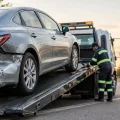
Clear details help prevent confusion. When arranging a tow, provide the vehicle’s year, make, model, location, and whether it is drivable. Mention flat tires, wheel damage, fluid leaks, deployed airbags, locked wheels, or any concern that may require a flatbed or special loading approach.
If you are sending the vehicle to a repair center after hours, ask whether the location accepts after-hours drop-offs and what paperwork or keys should be left. Confirm the shop’s address directly rather than relying on a verbal description. A small mistake in the destination can create an unnecessary delay.
Keep the claim number, tow receipt, police report number, photos, and the name of your insurance adjuster in one place. You may not need every item immediately, but organized records make follow-up calls faster and reduce the chance that important details are missed.
A collision can disrupt your day in seconds, but you do not have to make every decision alone at the roadside. Choose safety first, ask where the vehicle is going, and move it toward qualified repair care as soon as possible. That one practical step can make the road back to reliable transportation feel much more manageable.