
How to File a Collision Claim Without Delays
The moments after a crash are rarely clear or convenient. Your vehicle may still be drivable, or it may need a tow. You may be managing injuries, traffic, another driver, and a call from an insurance company at the same time. Knowing how to file a collision claim before the repair process begins can help protect your vehicle, your time, and your peace of mind.
A collision claim is the request you make to an insurance company for coverage after your vehicle is damaged in an accident. The details of coverage depend on your policy, the cause of the accident, and who is determined to be responsible. Still, the basic process is consistent: document what happened, report the loss promptly, provide accurate information, and work with a qualified repair facility to understand what your vehicle needs.
Start With Safety and Documentation
Your first priority is always safety. Move to a safe location if possible, call 911 when there are injuries or significant damage, and follow instructions from law enforcement. Do not attempt to inspect a vehicle in an unsafe roadway or drive a car that has fluid leaks, tire damage, steering problems, warning lights, or visible structural damage.
Once it is safe, collect the information you will likely need for your claim. Exchange names, contact details, driver license information, insurance information, and vehicle details with the other driver. If police respond, ask how to obtain the accident report or record the report number.
Photos can make the claim process much clearer. Take wide photos showing the vehicle positions and intersection or roadway, then take closer photos of every damaged area. Capture broken glass, deployed airbags, tire damage, fluid on the ground, road signs, skid marks, and any relevant weather conditions. If there are witnesses, ask for their names and contact information.
Do not rely on a quick visual check to determine the full extent of damage. A bumper that appears lightly scuffed can conceal damaged mounting points, sensors, reinforcement components, or underlying structure. Modern vehicles often have cameras, radar components, and safety systems behind exterior panels.
How to File a Collision Claim Step by Step
You can usually begin a claim through your insurer’s phone line, mobile app, website, or local agent. If another driver appears responsible, you may also file through that driver’s insurer. Which path makes the most sense can depend on your deductible, the available information, coverage limits, and how quickly responsibility is established.
When you report the accident, provide facts rather than assumptions. Give the date, time, location, vehicles involved, police report information if available, and a straightforward description of what occurred. Share photos and documents when requested. Avoid guessing about injuries, fault, or the full cost of repairs before the vehicle has been inspected.
The insurer will create a claim number. Keep that number, along with the adjuster’s name, phone number, email address, and notes from every conversation, in one place. This simple record can prevent confusion later, especially if your vehicle requires additional repairs after disassembly.
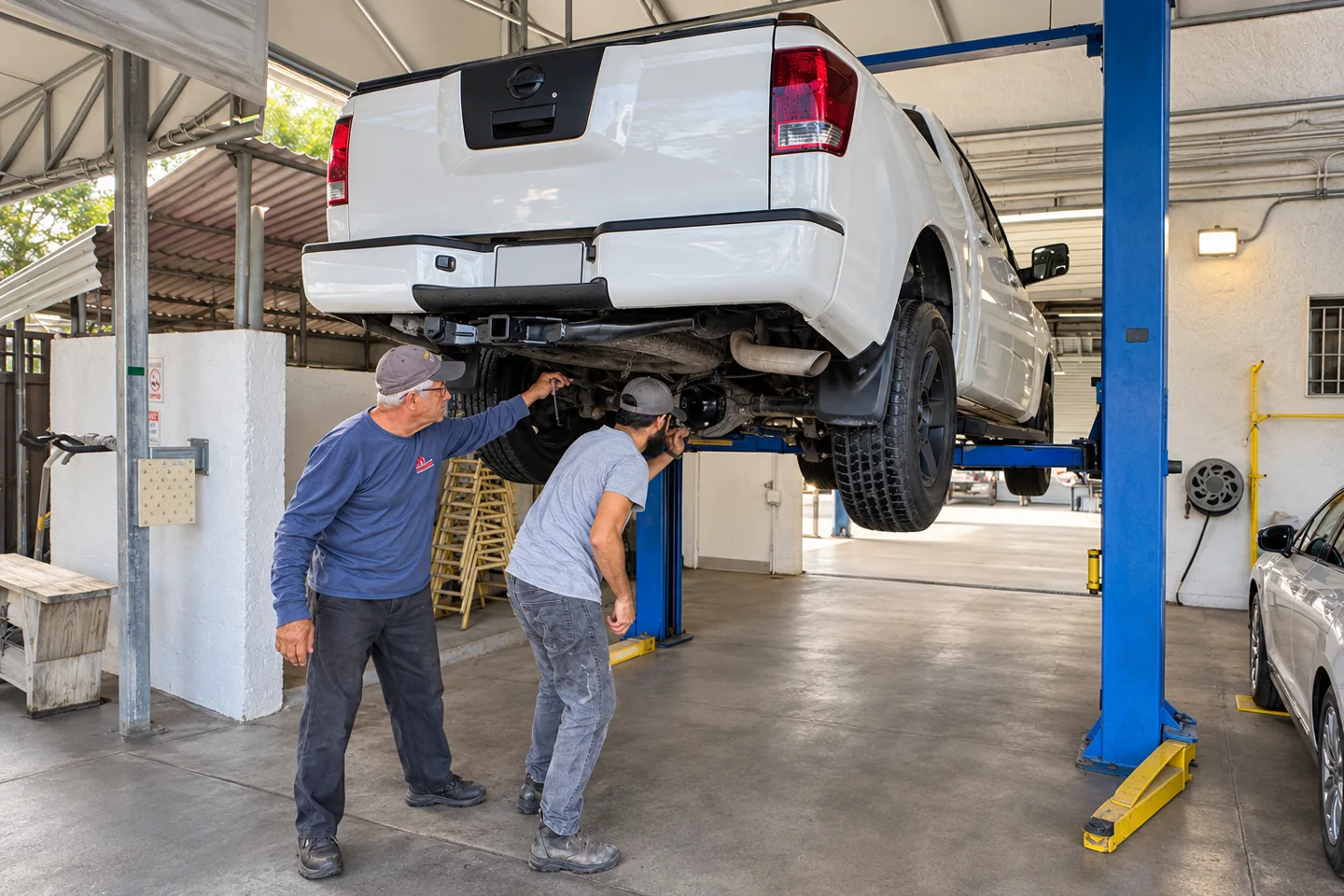
You may be asked to arrange an inspection, upload photos, visit a drive-in estimate location, or take the vehicle to a repair center. An initial estimate is a starting point, not always the final repair plan. Once a technician removes damaged panels or inspects the vehicle more closely, hidden damage may be found. This is common after impacts involving bumpers, doors, quarter panels, suspension parts, or the frame.
If additional damage is identified, the repair facility typically documents it and submits a supplement request to the insurer for review. That process can add time, but it helps ensure necessary repairs are addressed rather than overlooked.
Understand Your Coverage and Deductible
Before authorizing repairs, review the relevant parts of your policy. Collision coverage generally applies to damage from an impact with another vehicle or object, subject to your deductible. Comprehensive coverage may apply to other losses, such as certain weather events, theft, or animal strikes. Liability coverage addresses damage or injuries you may cause to others, but it does not automatically pay to repair your own vehicle.
Your deductible is the portion you are responsible for paying under your policy before coverage applies. For example, if your covered repair total is $4,000 and your collision deductible is $1,000, the insurer may pay $3,000 and you would be responsible for the deductible. The exact outcome depends on your policy and claim circumstances.
Ask your insurer direct questions if anything is unclear. Confirm whether rental reimbursement is included, whether towing is covered, how the deductible will be collected, and whether the vehicle is considered repairable. If the insurer determines the vehicle is a total loss, the process changes from repair authorization to a settlement based on the vehicle’s value and policy terms.
Choose a Repair Shop That Can Support the Process
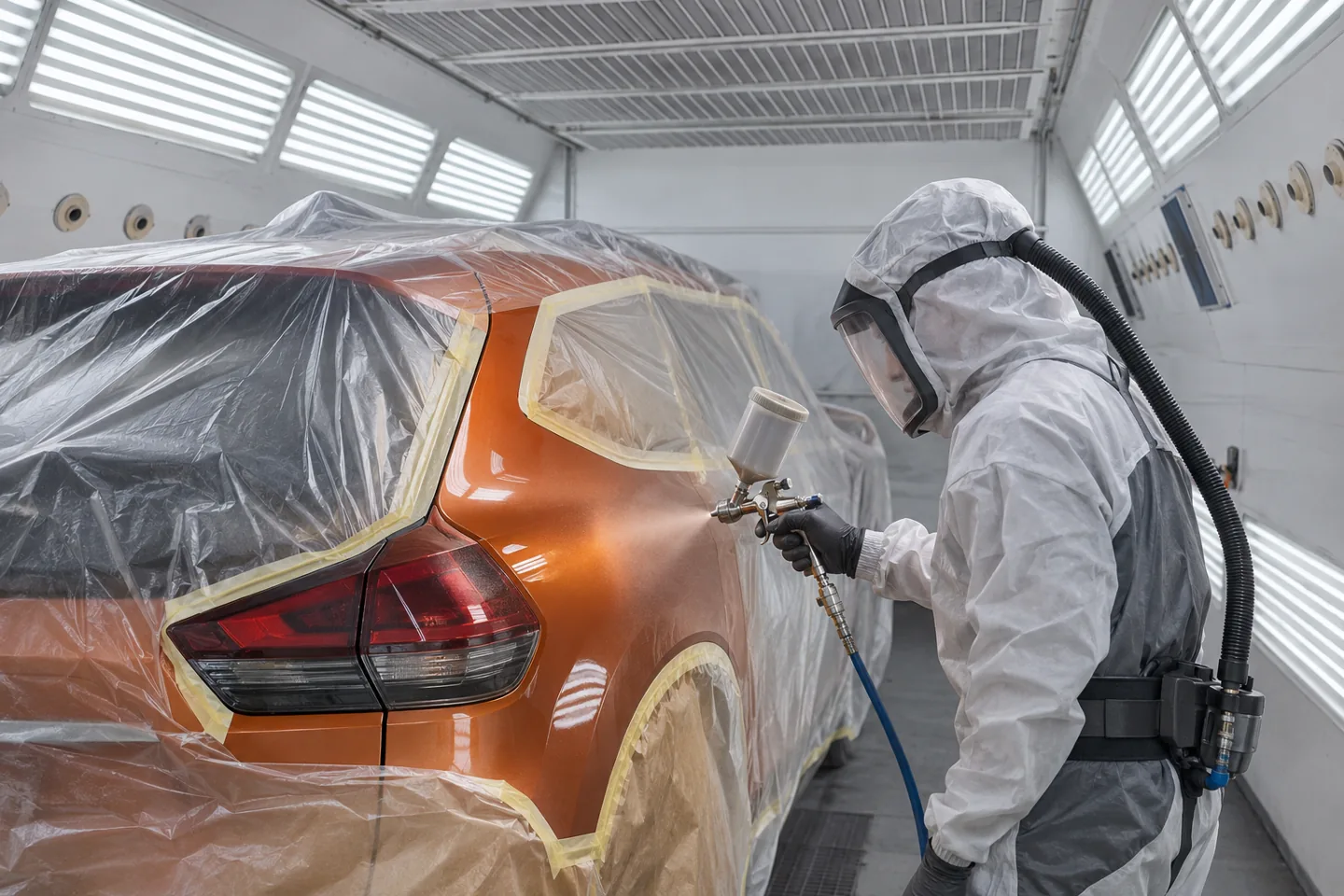
The claim is only one part of getting back on the road. The repair shop matters because accurate collision repair requires more than replacing visible parts. Proper work may involve measuring and straightening structural areas, repairing or replacing panels, restoring paint, addressing glass damage, and completing required safety-system calibrations.
Ask a prospective shop how it documents hidden damage, communicates with insurers, and handles supplements. You should also ask whether it follows manufacturer repair information when applicable and whether its technicians have recognized collision-repair training. For newer vehicles, these questions are especially relevant because sensors and advanced driver-assistance systems can be affected by even a moderate impact.
You may receive suggestions from an insurer, but you can still ask questions and select a repair facility you trust. A quality shop should explain the repair plan in plain language, provide updates when parts or approvals affect timing, and discuss any customer-paid amount before delivery.
At Auto Collision Specialists, claims assistance is part of helping South Florida drivers move from accident disruption to a properly repaired vehicle. The goal is not simply to make damage less visible. It is to coordinate the practical details while restoring the vehicle with careful attention to safety, fit, finish, and manufacturer-aligned repair standards.
Keep the Claim Moving Without Creating Problems
Prompt communication helps, but speed should not come at the expense of accuracy. Respond to reasonable requests from your insurer and repair facility, review documents before signing, and ask for clarification when a payment, estimate, or repair decision does not make sense to you.
Keep copies of photos, estimates, receipts, towing records, rental agreements, accident reports, and correspondence. If you pay a deductible, ask for documentation of the payment. If a repair timeline changes because of parts availability or newly discovered damage, request an updated explanation and expected completion date.
It is also wise to avoid authorizing cosmetic shortcuts simply to reduce the estimate. A repair plan should account for the damage found and the procedures needed to return the vehicle to proper condition. Depending on the impact, that can include wheel alignment, suspension inspection, frame measurement, corrosion protection, refinishing, or calibration of cameras and sensors.
Common Claim Mistakes to Avoid
Most delays do not come from one dramatic mistake. They come from missing information, unclear communication, or decisions made under pressure. Avoid waiting too long to report the accident, discarding photos, or repairing the vehicle before the insurer has had the opportunity to inspect it unless emergency circumstances require immediate action.
Do not assume an estimate based only on photos is the final word on damage. Likewise, do not sign a release or accept a settlement until you understand what it covers. If you have questions about fault, coverage, injuries, or a disputed decision, consider speaking with your insurer, agent, or an appropriate professional for guidance specific to your situation.
A collision claim can feel like one more burden after an accident. Take it one step at a time: protect the scene, document the damage, report the claim, keep good records, and choose repair professionals who will communicate clearly. That approach gives you a stronger path toward a safe repair and a smoother return to normal driving.