Choosing Collision Repair in Palmetto Bay
A collision can leave behind more than a dented bumper or scratched paint. It can affect panels, sensors, alignment, glass, and the structural areas designed to protect you in a future impact. When you need collision repair in Palmetto Bay, the goal should be more than making the vehicle look normal again. The repair should restore safety, function, appearance, and confidence in the car you drive every day.
For most drivers, the hard part starts after the accident scene is cleared. There may be an insurance claim to open, a tow to arrange, a rental vehicle to find, and repair decisions to make before you know the full extent of the damage. A capable local collision center helps make those next steps clearer.
What Quality Collision Repair in Palmetto Bay Should Address
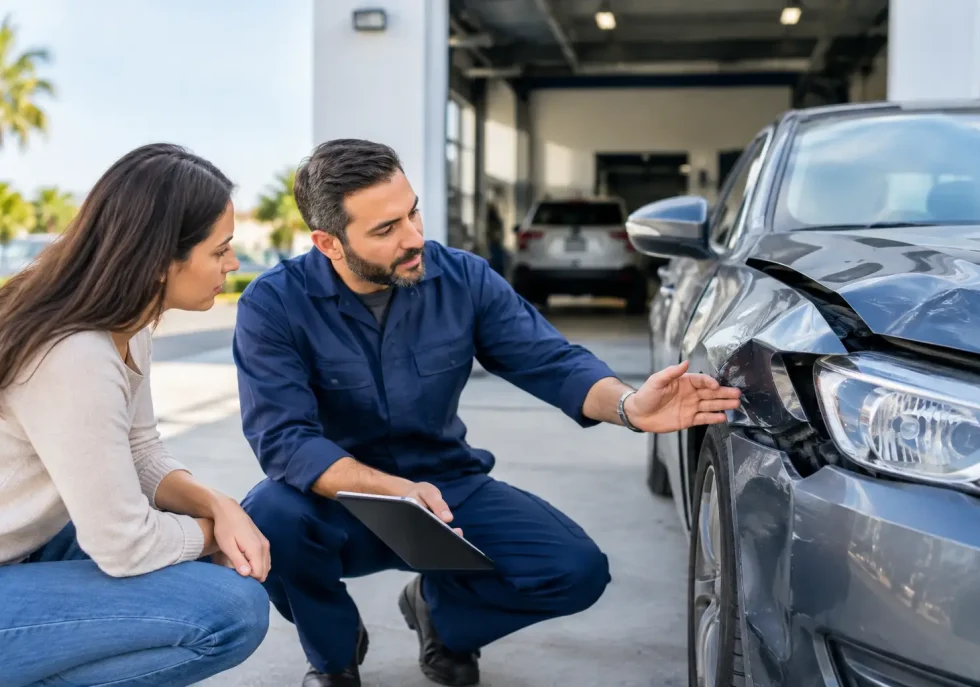
Visible damage is only one part of the repair. A cracked bumper cover, bent fender, damaged door, or broken headlamp may be obvious, but the impact can also shift mounting points, damage brackets, affect wheel alignment, or compromise components behind the exterior panel.
A proper repair begins with a thorough inspection and a written estimate. The technician assesses the vehicle’s damaged areas, identifies parts that can be repaired versus parts that need replacement, and looks for hidden concerns. This matters especially on newer vehicles, where cameras, radar components, parking sensors, and other driver-assistance systems may sit behind bumpers, windshields, mirrors, and grille areas.
The right solution depends on the collision. A minor parking-lot dent may only require localized body work and refinishing. A heavier front or rear impact may require panel replacement, mechanical inspection, frame measurement, or structural straightening. No responsible shop should promise the final scope of repairs before the vehicle has been fully evaluated.
Quality work also means following repair procedures appropriate for the vehicle. Manufacturer repair information, trained technicians, and modern measuring equipment help guide decisions that affect fit, safety, and long-term reliability.
The Repair Process Should Feel Clear, Not Confusing
Collision repair is technical, but the customer experience should not be difficult to understand. A dependable repair center should explain what is happening, what needs approval, and what may affect the timeline.
Inspection and estimate
The process usually starts with a damage assessment. Some damage is visible immediately, while other issues appear only after panels are removed. If additional damage is found, the repair facility may submit a supplement to the insurance company for review. This is common in collision work and does not automatically mean the shop made a mistake on the original estimate. It often means the initial inspection could not see behind damaged components.
Insurance claim coordination
Insurance paperwork can add stress at a time when you are already trying to manage transportation and work schedules. A collision repair center can help communicate with the insurer, provide estimates and photos, and support the authorization process. You still have questions worth asking: What is your deductible? Has the claim been opened? Is rental coverage included? Are there delays related to parts availability or insurer approval?
Claims assistance should make the process easier without taking control away from the vehicle owner. You should receive straightforward updates and understand what work is being performed on your vehicle.
Repair, refinishing, and quality checks
Once repairs are authorized, body technicians address damaged metal, panels, or structural areas. Paint and refinishing work follows, with careful attention to surface preparation, color matching, and finish quality. The vehicle should then receive final checks for panel fit, exterior operation, lights, glass, and the repaired areas before delivery.
The timeline can vary. A simple dent repair may move quickly, while a repair involving structural damage, specialty parts, sensor-related work, or multiple insurer supplements can take longer. A good shop gives you realistic expectations rather than a date that sounds reassuring but cannot be supported.
Why Frame and Structural Repair Deserve Special Attention
Vehicle frames and unibody structures are designed to manage crash forces in specific ways. When these areas are bent or shifted, the issue is not cosmetic. It can affect how panels fit, how the vehicle tracks on the road, and how safety systems perform in another collision.
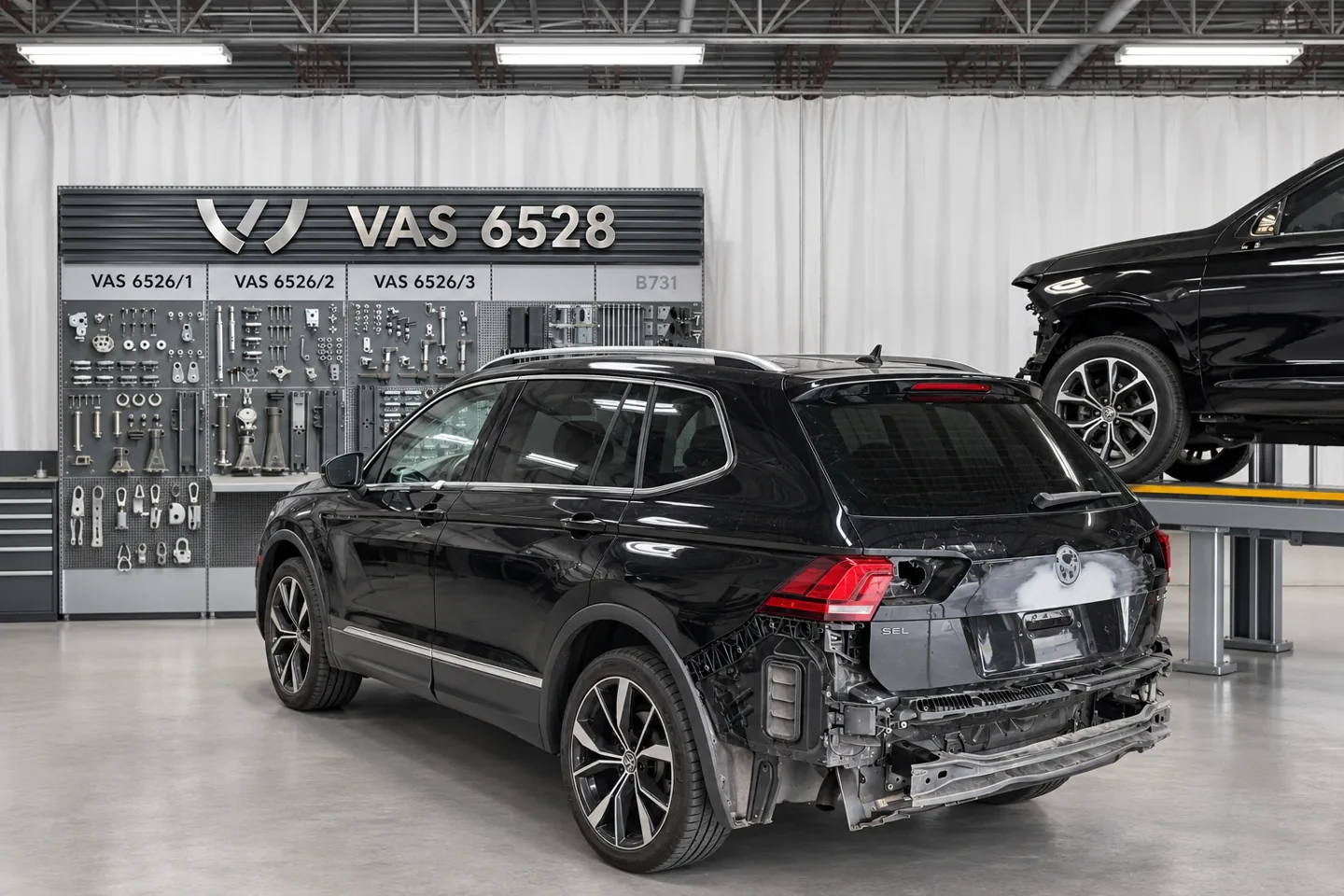
Frame repair and straightening require more than visual judgment. Modern equipment can measure key points and help technicians return the structure toward manufacturer specifications. This is particularly important after impacts that involve the front end, rear end, wheel area, or a significant side collision.
Not every accident requires structural repair, and not every vehicle with visible body damage has a frame issue. But when the inspection identifies structural movement, it should be handled with the same care as any other safety-related repair. Skipping this step to reduce cost or speed up delivery can create problems that are harder to correct later.
Paint Work Is About Protection as Well as Appearance
A clean paint finish is one of the first things people notice after a repair, but refinishing also protects repaired or replaced panels from moisture, sun exposure, and normal road conditions. South Florida heat, humidity, rain, and intense sunlight can be tough on a poor-quality finish.
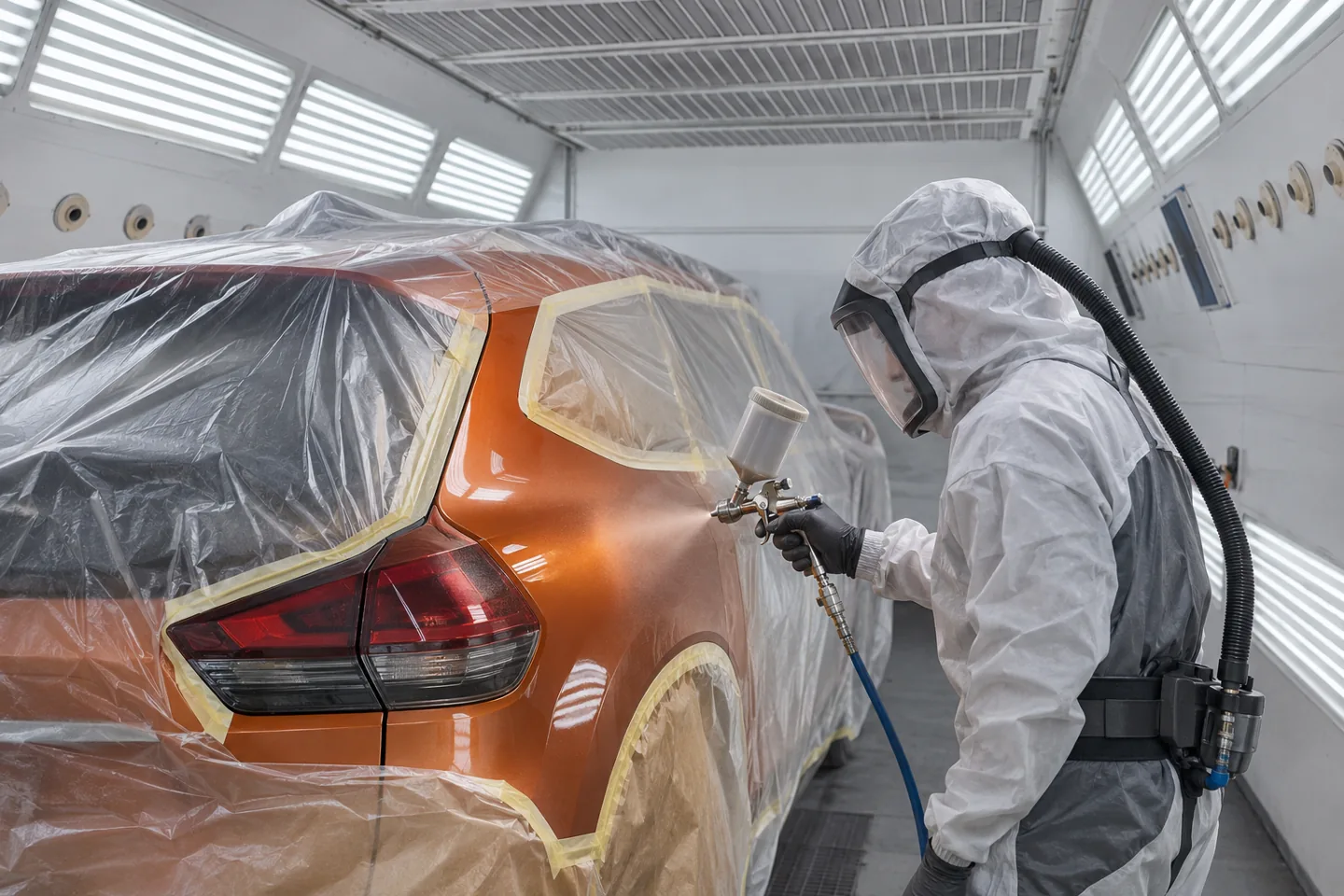
Proper refinishing involves preparation, primer where needed, color application, clear coat, and controlled curing conditions. Paint booths help create a cleaner environment for consistent results. Color matching is also more involved than selecting a paint code. Vehicle color can vary due to age, sun exposure, production differences, and adjacent panels.
At Auto Collision Specialists, PPG Envirobase Waterborne Paint supports responsible refinishing while helping deliver a durable, polished result. The standard should be a repair that blends naturally with the vehicle, not one that calls attention to itself in bright daylight.
Questions to Ask Before Authorizing Repairs
You do not need to be an automotive expert to make an informed choice. Ask whether the shop performs structural and frame work in-house, how it handles insurance supplements, and whether it can coordinate towing or a nearby rental vehicle. These practical services can make a major difference when your normal routine is already disrupted.
It is also reasonable to ask about technician training, facility capabilities, paint processes, and experience with your vehicle brand. Credentials such as I-CAR Gold Class recognition and manufacturer-related training can indicate that a shop invests in current repair knowledge. They are not a substitute for communication or careful workmanship, but they are useful signs of a professional operation.
For owners of newer Honda, Acura, and General Motors vehicles, manufacturer-aligned repair knowledge may be especially relevant. Advanced materials, sensors, and repair procedures can differ by model, so the shop should have the resources to evaluate your vehicle correctly.
A Local Facility Can Make the Difference After an Accident
Convenience is not the only reason to choose a nearby collision center. A local facility gives you a place to ask questions in person, check on the status of your repair, and work with people who understand the driving conditions and insurance realities common in South Florida.
Facility size matters when it supports better service. A repair center with adequate work bays, dedicated paint booths, proper equipment, and trained staff is better positioned to manage multiple stages of repair without treating your vehicle like a number. Still, personal attention remains essential. Capacity should support quality, not rush it.
After an accident, take photos, exchange the necessary information, notify your insurer, and arrange safe transportation for the vehicle if it cannot be driven. Then choose a repair team that is prepared to explain the work, coordinate the details, and protect what matters most: the safety and value of your vehicle. Experience, technology, and care can turn a stressful interruption into a repair process you can trust.